
India to Continue Russian Oil Imports, Says FM Nirmala Sitharaman




FazTimes Media: In a major policy update that shows India is more determined than ever to shape its economy, Finance Minister Nirmala Sitharaman said on Friday that New Delhi will keep buying crude oil from Russia, even though there is a lot of pressure from around the world and new tariffs from the United States.
Her comments came during an exclusive interview with CNN-News18 and show that energy security and what's best for the country are still the main focus of India's foreign and economic policies. With the global oil market facing uncertainty because of sanctions, political conflicts, and changing prices, India’s choice shows it's focusing on practical solutions instead of just political reasons.
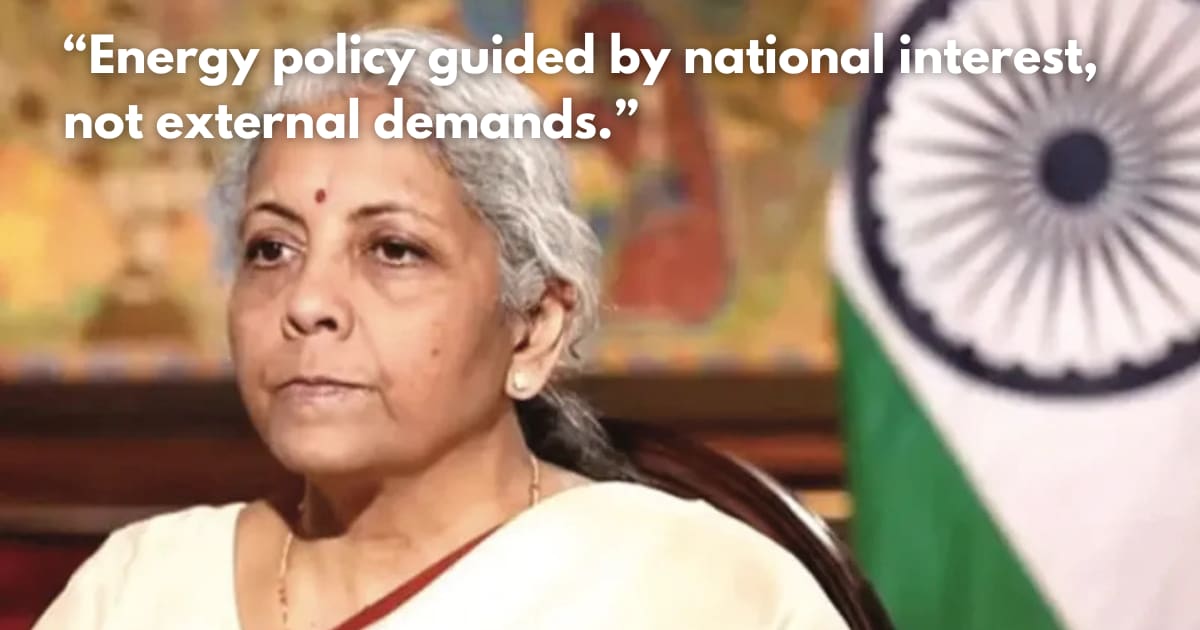
BBC News reports that Sitharaman stressed that India’s decisions on where it gets its oil are based on what’s best for the country, not what others are saying. She said India will choose the supplier that gives the best price, easiest logistics, and reliable long-term supply.
The Energy Reality: Why Russian Crude Oil Still Powers Global Markets
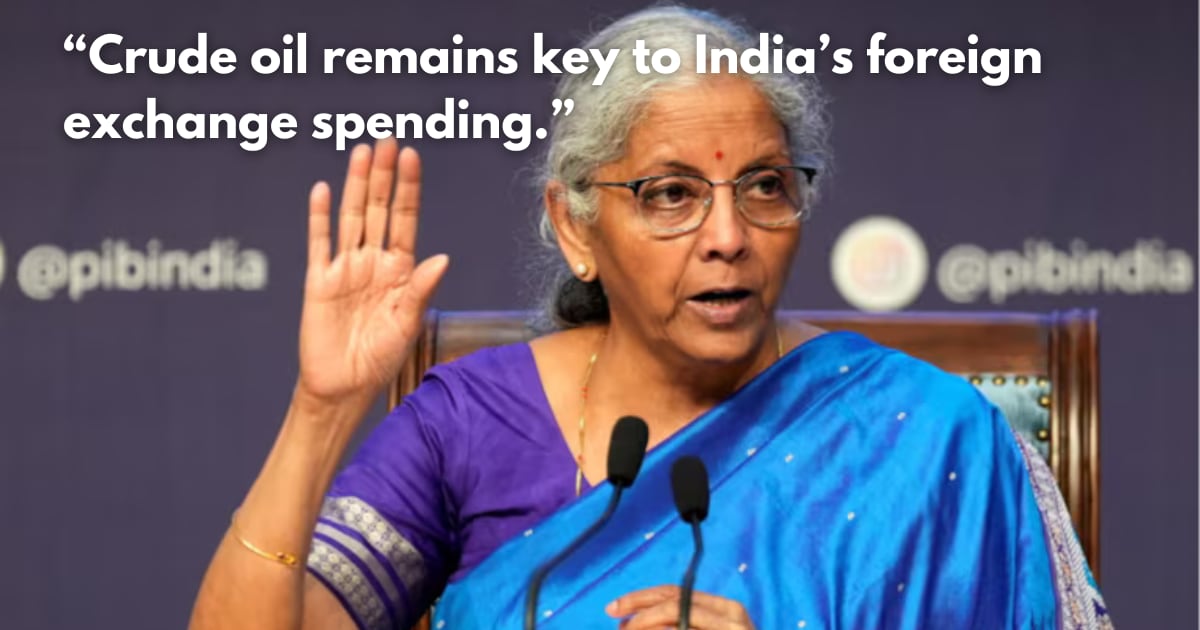
Crude oil is one of India’s biggest expenses when it comes to imports, making up a large share of the country's spending on foreign currency. Although India has tried to get oil from different places over the years, it still relies heavily on imports to cover almost 85% of its oil needs.
Russia has become an important supplier in this area in the past two years. With Western countries putting more pressure on Russia after the war in Ukraine, Moscow has offered big discounts on its oil. For India, these lower prices are not only good—they are necessary to keep fuel prices steady in the country.
As Al Jazeera reports, Indian oil refiners have been buying more Russian oil since 2022. They mix it with oil from the Middle East and Africa to keep prices lower. This has helped keep fuel costs stable for Indian people, unlike what’s happening in Europe and the US, where prices have been rising considerably.
Energy experts say that stopping Russian oil now would cause problems at home. “India has built its energy mix with Russian oil playing a big part. If it stops suddenly, it could cause big price jumps and mess up the country’s financial plans,” said Dr Anil Mehta, an energy expert in New Delhi.
U.S. Tariffs and Rising Tensions: How Trade Wars Shape Energy Politics
The news comes at a time when trade issues between the U.S. and other countries are getting worse. President Donald Trump recently put a big 50% tax on Indian products. He said this decision is because India keeps buying oil from Russia. He claimed that this trade helps support Moscow’s actions in Ukraine.
OOn his social media platform, Truth Social, Trump criticised both India and Russia for their increasing closeness to China. “It appears that we've lost both India and Russia to the most powerful and corrupt China. May they have a long and prosperous future together!” he wrote, reacting to photos of Prime Minister Narendra Modi and Russian President Vladimir Putin at an event in Tianjin hosted by Chinese President Xi Jinping.
Indian officials, however, said Trump’s comments were just political talk. Sitharaman said India’s choices are based on what’s best for the country, not on pleasing other governments. “India cannot let outside pressure decide our energy choices. Our decisions will always put our people’s well-being and economic strength first,” she said.
The GST Reform Cushion: How Tax Reforms Ease Price Shocks
Even though the U.S. tariffs might hurt India’s businesses that export a lot, Sitharaman said the government has already made some plans to handle the situation. The recent changes to the Goods and Services Tax (GST) are expected to help by making the tax system easier and lowering some taxes.
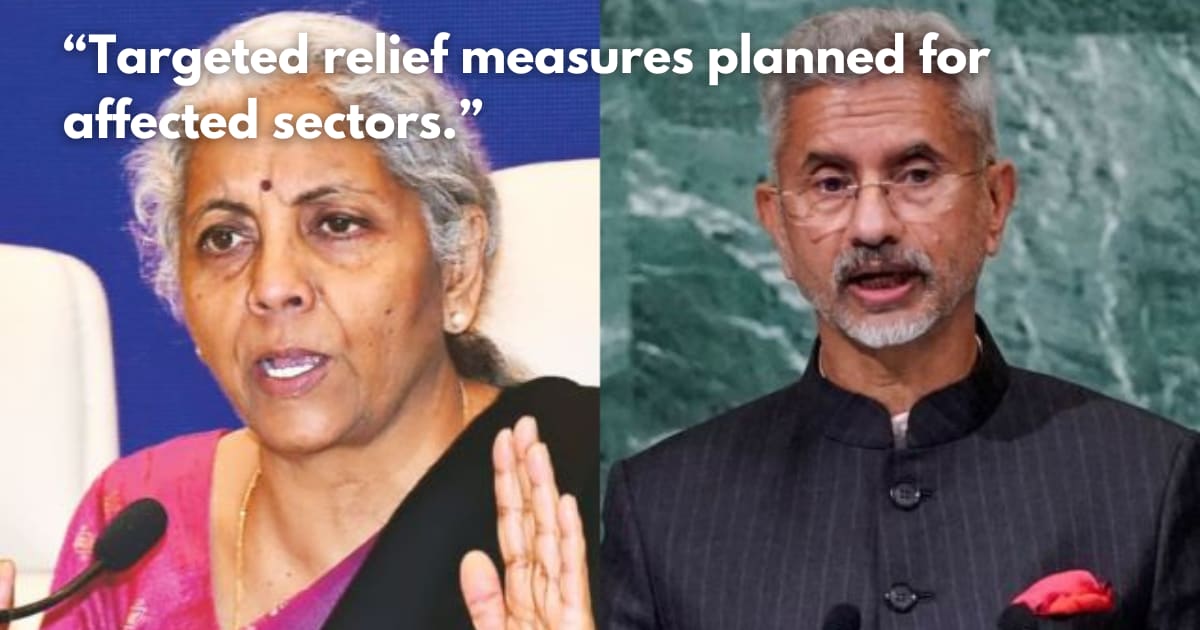
“These changes make it easier for Indian exporters by reducing the paperwork and making tax credits easier to get,” she explained. Furthermore, the government is getting ready to offer help to the industries most affected by the U.S. action, especially in textiles, medicines, and IT services.
Sitharaman’s link between tax changes and energy decisions shows an economy trying to balance things carefully. It’s about keeping domestic consumers safe while still helping exporters stay competitive in the face of problems from outside.
A Larger Strategic Message Behind Oil, Trade, and Diplomacy
Besides economic reasons, India's position sends a clear message about its place in the world. New Delhi demonstrates its refusal to choose sides between the West and its traditional partners. India has grown closer to the U.S. in defence and technology, but it still has strong connections with Russia, especially when it comes to energy and defence products.
TThe Guardian recently noted that India, as one of the few major global powers, is carefully balancing its relationships with Washington on security matters, Moscow on energy supplies, and Beijing through regional groups. This approach lets India gain advantages while staying safe, even if it often draws criticism from all sides.
Still, New Delhi knows that energy security is crucial. “If Russia offers oil at lower prices and on dependable terms, why should India say no?” asked Professor Kavita Rao, an expert in international relations at Jawaharlal Nehru University. “Western countries need to realise that India's choices are about ensuring survival, not just showing support.”
Domestic Reassurance: Calming Markets and Consumers Amid Global Shifts
At home, the Finance Minister's comments also aim to calm regular people who are worried about increasing fuel prices. With global oil prices still changing a lot, citizens are watching closely for any signs that the government might act differently.
Sitharaman tried to ease these fears by saying that oil from Russia will still be part of the imports. She confidently stated, "We will continue to take the necessary steps to safeguard our economy and prevent additional costs for our people."
Local businesses, who rely on stable fuel prices for transport, production, and exports, are likely to welcome this stance.
The Road Ahead: Balancing Energy Security with Global Pressures
India's decision to keep buying Russian oil despite pressure from the U.S. shows how complicated the world of international politics is today. On one side, Washington wants to stand with Moscow and uses trade as a way to push for that. On the other hand, India, like many developing countries, values economic stability and cheap energy more than political loyalty.
Looking forward, experts think India will keep spreading out where it gets its energy, but it won't stop buying Russian crude anytime soon. With energy needs expected to go up and global uncertainty not going away, practical choices will still lead the way.
Reuters noted, “India's position reflects the concerns of many countries in the Global South—choosing affordable and stable energy over alignment with the West.”
Conclusion: Oil, Tariffs, and India’s Strategic Path Forward
The Finance Minister’s strong and consistent message shows a bigger change in world politics: countries like India are not just following the rules made by the US, Europe, or China. They are now making their own decisions based on what’s best for their country and long-term strength.
For India, the matter isn’t about choosing a side. It’s about making sure fuel keeps flowing, the economy stays stable, and people are safe. As long as Russian oil gives that guarantee, India probably won’t stop buying it, even if there are high costs or complaints.
Our primary goals at FazTimes Media are to be accurate and confident and adhere to the highest journalistic standards. We check every news story we share against several trustworthy and separate sources to ensure its accuracy.
We have reviewed this report, along with articles from major news outlets worldwide, including BBC News, Reuters, Bloomberg, Al Jazeera, NDTV, The Economic Times, and The Indian Express.
We want to keep the highest standards in global journalism so that our readers can trust the information they acquire.




Discussion0
Join the conversation on this story
Loading comments...