
Google's $45M Contract With Netanyahu's Office Sparks Propaganda Concerns
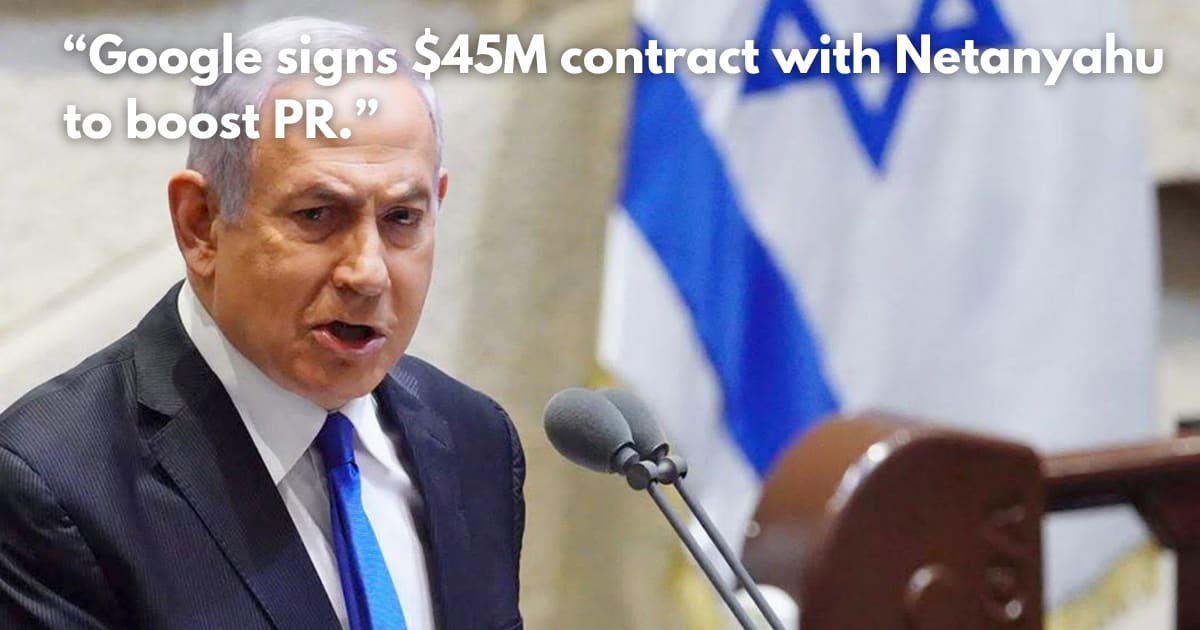
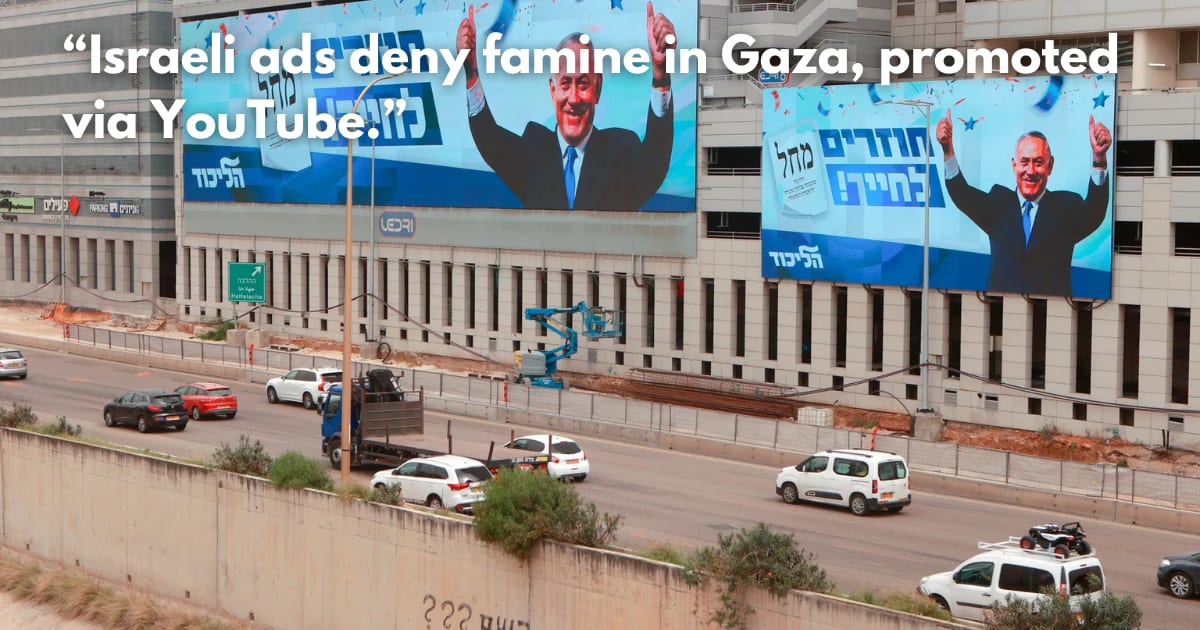
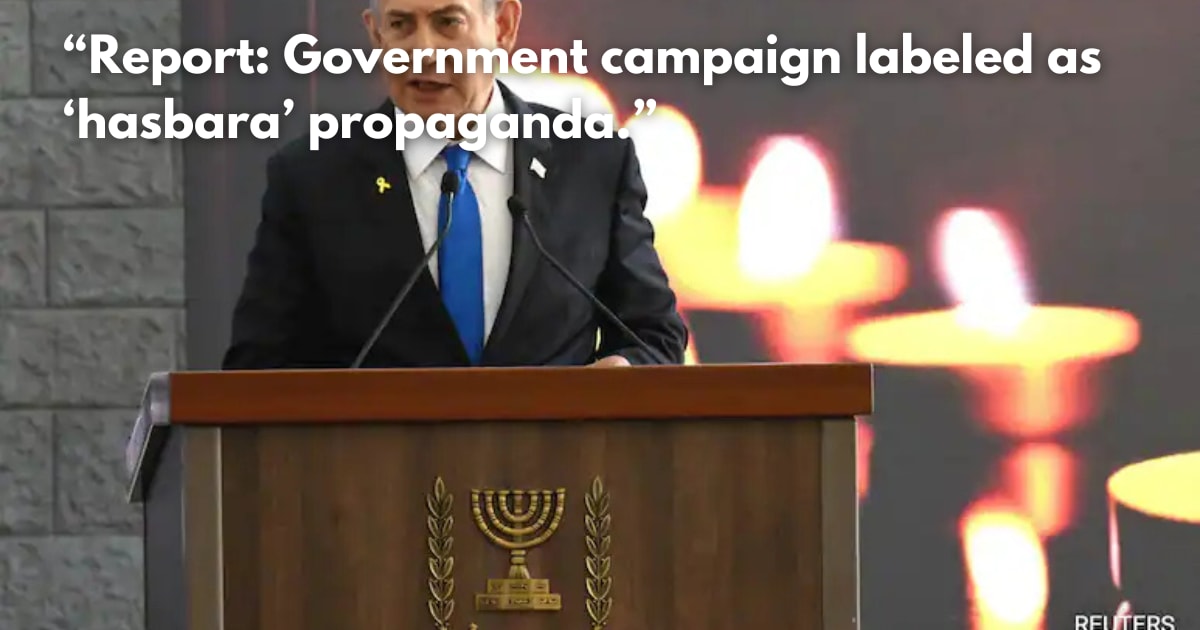
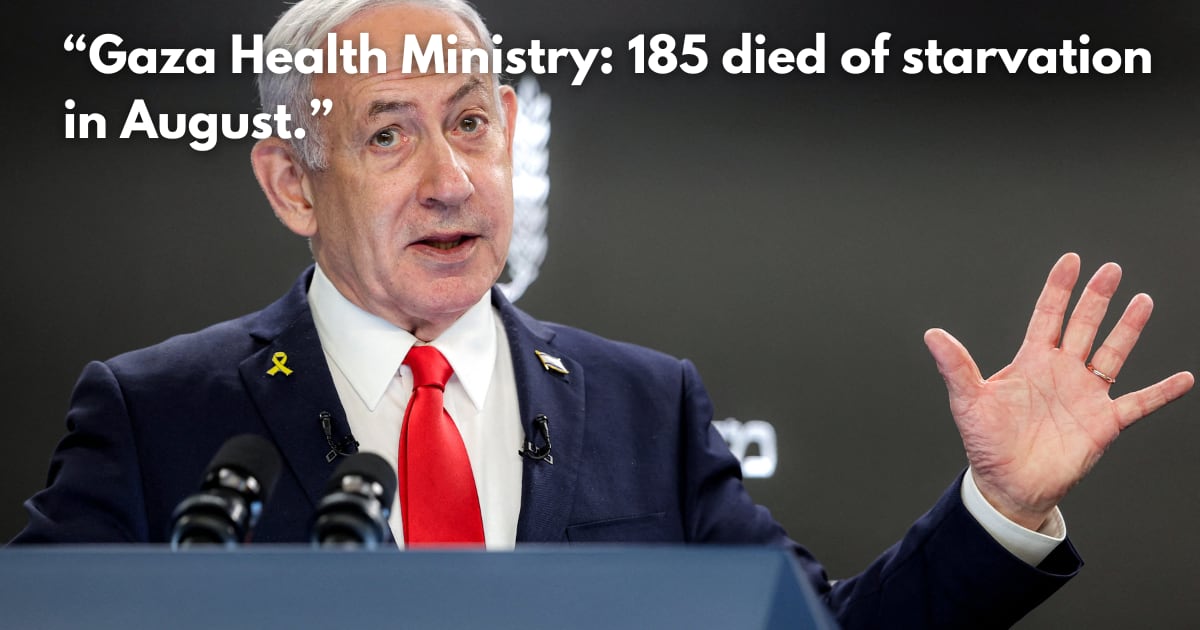
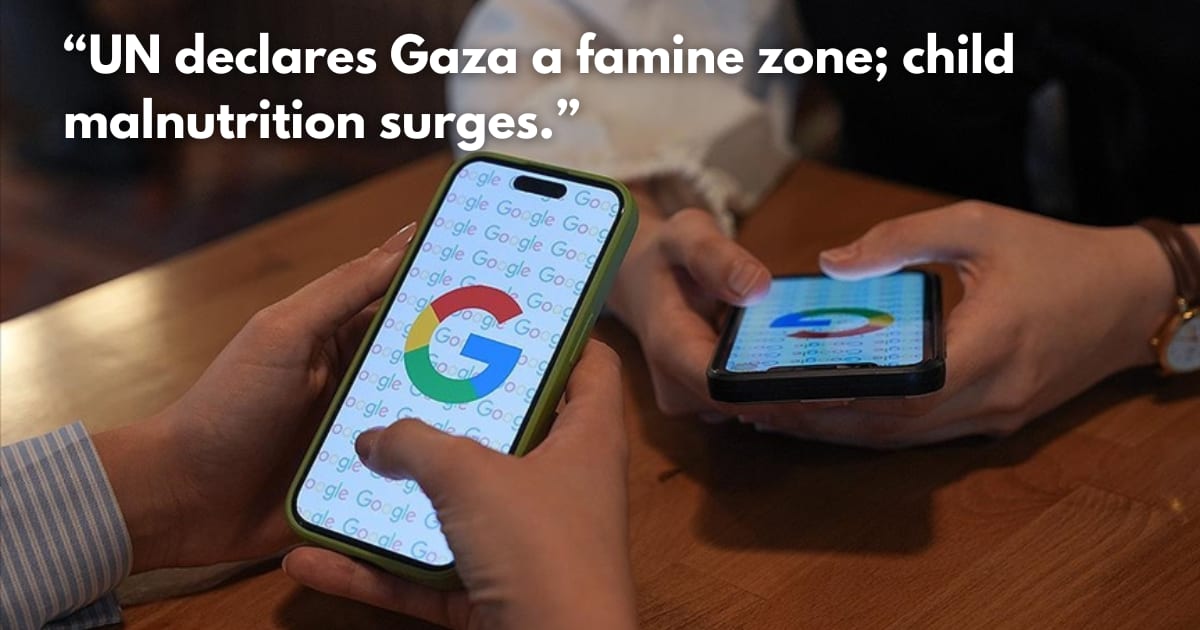
FazTimes Media: According to reports, Google, a major tech company, has signed a six-month contract worth $45 million with the office of Israeli Prime Minister Benjamin Netanyahu. The agreement aims to assist the government in disseminating its messages amidst the Gaza war. This deal was first reported by Drop Site News, which has started a big discussion about how private companies influence how people view serious events like humanitarian crises.
Currently, the situation in Gaza is getting worse. Health workers in the area say that children and other at-risk groups are dying from hunger, even though the government is trying to say otherwise.
A Contract With Controversial Implications: Politics, Power, and Public Trust
The deal, signed in late June, makes Google a “main partner” in Israel’s public relations work. The goal is to share government messages and reduce criticism about the blockades and military actions. As reported by BBC News, the campaign started just a few days after Israel put new limits on bringing in important supplies like food, medicine, and fuel to Gaza on March 2. This action caused major concerns among aid groups and human rights organisations about a possible humanitarian crisis.
According to the documents reviewed, Google is using its strong advertising tools, like YouTube and Display & Video 360, to spread Israeli government messages. The contract includes plans to “fight false information” by spreading official stories. However, critics say the initiative is more like state-sponsored propaganda than just sharing truthful information.
Hasbara and Digital Influence: Israel’s Online Narrative Strategy
The documents call the campaign “hasbara”, a Hebrew word that usually means “public diplomacy”, but many people around the world see it as “propaganda”. Government ads have now started appearing a lot online. A popular YouTube video made by Israel’s Foreign Ministry says, “There is food in Gaza. Any other claim is a lie.” This video, promoted with paid ads, has gotten over six million views in just a few weeks.
In addition to Google's contributions, financial records indicate that Israel spent approximately $3 million on ads on X (formerly Twitter) and $2.1 million on campaigns through Outbrain/Teads, a French-Israeli company that assists in content distribution.
According to Al Jazeera, these efforts show that Israel is moving much of its diplomatic strategy to digital channels, where it can quickly reach people all over the world.
Mounting Humanitarian Crisis: Civilians Trapped Amid Conflict
While Israel is trying to downplay news about a severe food shortage, the situation on the ground shows a much darker picture. The Gaza Health Ministry said that in August alone, 185 people, including 12 children, died because of hunger. The situation was the worst month for hunger-related deaths since the conflict started almost two years ago.
OOut of those deaths, 70 occurred after the United Nations-backed Integrated Food Security Phase Classification (IPC) officially designated Gaza as a famine area last month. This label is only given when conditions are extremely bad and urgent help is needed.
Doctors also said that more than 43,000 children under five are not getting enough food and are suffering from malnutrition. Additionally, 55,000 pregnant and breastfeeding women are facing serious shortages of food and medicine.
Dr Huda Nassar, a paediatrician who works with an international NGO, stated:
“Every day we treat children who are too weak to walk or talk. No amount of official videos can change the reality of what we see in our clinics.”
Global Reactions and Ethical Questions Around the Deal
The news about Google's large financial deal has caused concern worldwide, especially among human rights groups and digital rights organisations. Critics say that by working with Netanyahu’s office during an ongoing war, Google may be losing its neutral position and trust as a tech company. They also question whether it is ethical for a company to make money from a campaign that affects how people view a humanitarian crisis.
“Technology companies have a lot of power over how information spreads,” said Marwan Idris, a Middle East analyst at the London School of Economics. “When these companies accept government contracts to promote one side of a conflict, they are no longer neutral—they become part of the action.”
However, Israel says the strategy is necessary. A military spokesperson explained that the government needed to use digital efforts “to explain that there is no hunger and show the data.” Officials argue that false information against Israel is common and needs to be challenged.
Propaganda in the Digital Age: Shaping Minds Through Media
People are noticing that a new kind of influence is changing how wars are fought today. In the past, wars were covered by traditional media, but now, governments use tools like targeted ads and social media to reach people directly.
Sarah Ahmed, who studies this at Amnesty International, says, “It’s not just about ads—it’s about making people believe certain things.” She explains that when people see official videos over and over on different platforms, it can make them doubt real reports about what's happening on the ground.
The Guardian reports that many governments are now using digital ad companies to spread their messages, making it hard to tell where diplomacy ends and propaganda begins. Google, being one of the biggest ad platforms, is at the heart of this change.
Calls for Transparency Grow Louder Amid Rising Doubts
Groups that protect civil rights are asking for more openness from both governments and big companies about who is funding and spreading these kinds of messages. Digital rights activists are pushing Google to reveal what kind of deals it has with government groups, especially in areas where information can shape how the world sees things and makes decisions. They say people should know if the government is behind the content they’re seeing.
On the other hand, humanitarian groups are still fighting to get help in Gaza, warning that even with all the online noise, the real problem is getting worse.
Looking Ahead: The Uncertain Road of Digital Diplomacy
The agreement between Google and Netanyahu’s office will last until the end of the year, but some believe it might go on longer. What’s not clear yet is if international pressure will make Google think again about being involved in political campaigns.
For the people of Gaza, though, this discussion about digital propaganda doesn’t feel important. Their main concern is staying alive as food runs out and hospitals are struggling. Zelena Al-Khatib, a mother of three who was forced to leave her home in northern Gaza, said these words in a phone call:
“We don’t need videos to know if there’s food. We open our cupboards and see the truth.”
Conclusion: Balancing Security, Ethics, and Public Accountability
The news of Google's $45 million agreement with Netanyahu's office demonstrates the increasing interconnectedness of technology, politics, and propaganda in today's world. Israel is trying to shape its image around the world through online efforts, but at the same time, the situation in Gaza is getting worse. People in Gaza are grappling with hunger and sickness, and the loss of lives is increasing monthly.
Al Jazeera’s report brings up tough questions. Should tech companies make money from government work that goes against what humanitarian groups are saying? Can propaganda really hide the true suffering of people living in affected areas?
So far, there aren’t clear answers. But the suffering in Gaza is real and hurting people badly.
Our primary goals at FazTimes Media are to be accurate and confident and adhere to the highest journalistic standards. We check every news story we share against several trustworthy and separate sources to ensure its accuracy.
We have reviewed this report, along with articles from major news outlets worldwide, including BBC News, Reuters, Bloomberg, Al Jazeera, NDTV, The Economic Times, and The Indian Express.
We want to keep the highest standards in global journalism so that our readers can trust the information they acquire.






Discussion0
Join the conversation on this story
Loading comments...