
India Announces First-Ever Women's Blind T20 World Cup Squad

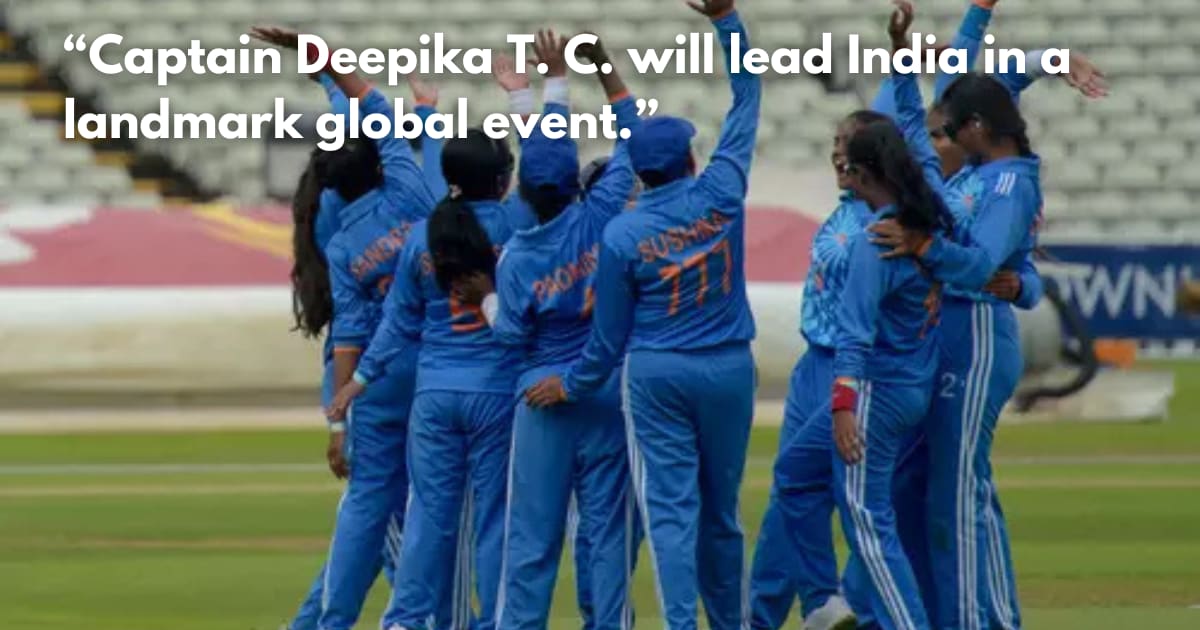
Women’s Blind Cricket: A Historic New Chapter
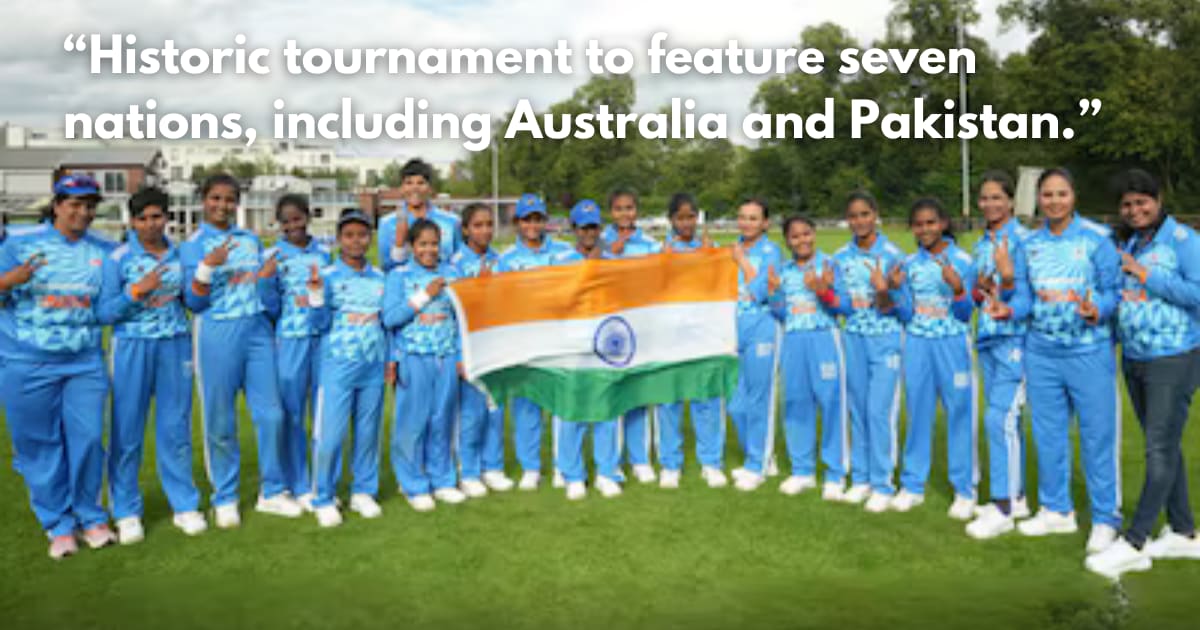
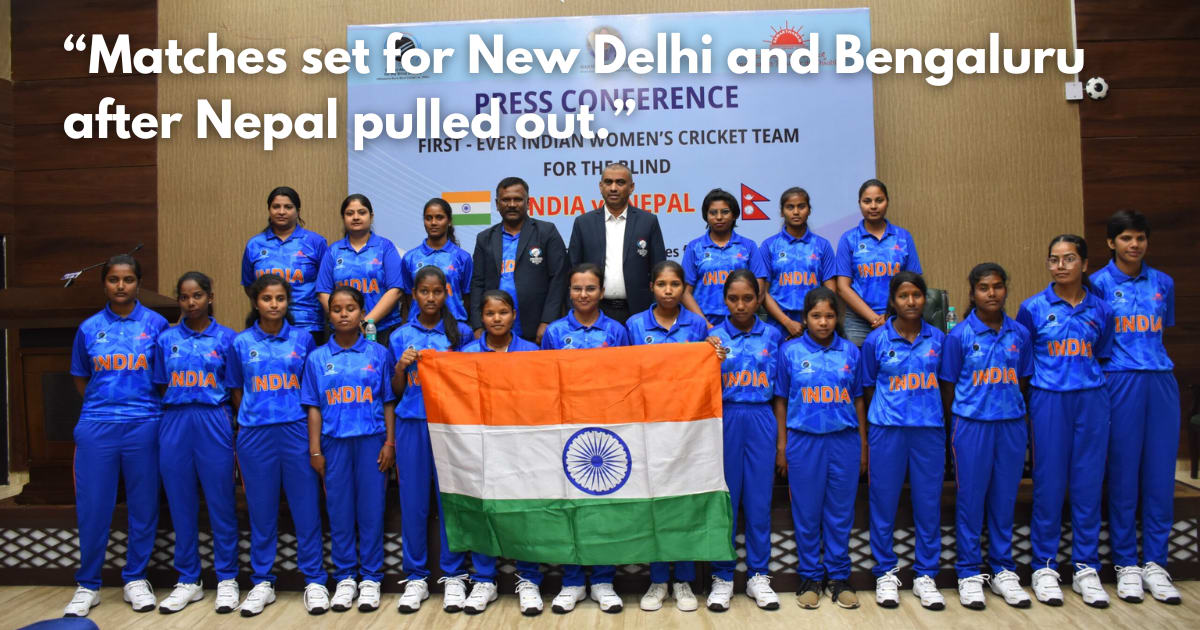
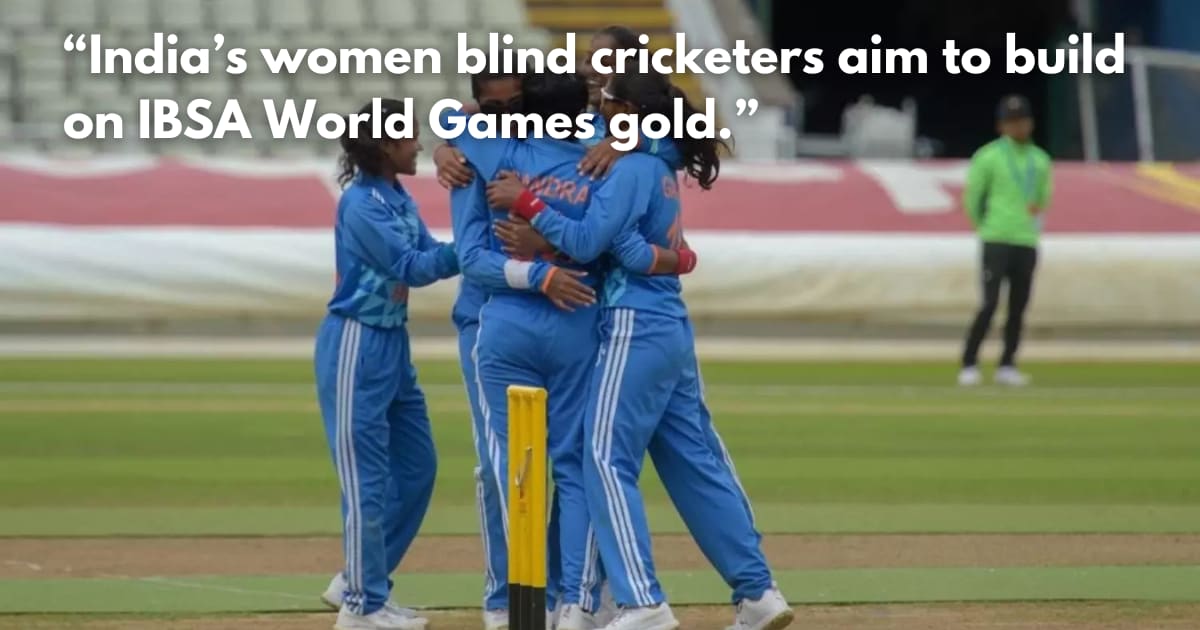
Responsibility for organising this groundbreaking World Cup lies with the Cricket Association for Blind Individuals (CABI), the sports arm of the Samarthanam Trust for the Disabled. The national association has announced the first-ever team for the Women's Blind T20 World Cup, organising this event under the banner of the Cricket Association for Blind Individuals (CABI), which operates under the Samarthanam Trust for the Disabled. The 16-member squad was chosen after months of scouting, training, and selection, marking an innovative move by India to promote opportunities for visually impaired women athletes on the international platform.
This landmark tournament, scheduled from November 11–25, will bring together seven nations – India, Pakistan, Sri Lanka, England, Nepal, Australia, and the USA – with 21 league matches, two semi-finals, and a final spread over New Delhi and Bengaluru. The tournament is set to promote equality and inclusivity, drawing from the World Cup's holdings to give national pride. Although Kathmandu was initially planned as the third host country, the evolving situation in Nepal may lead to a relocation of matches involving teams from Pakistan and other countries.
A New Chapter for Women’s Blind Cricket
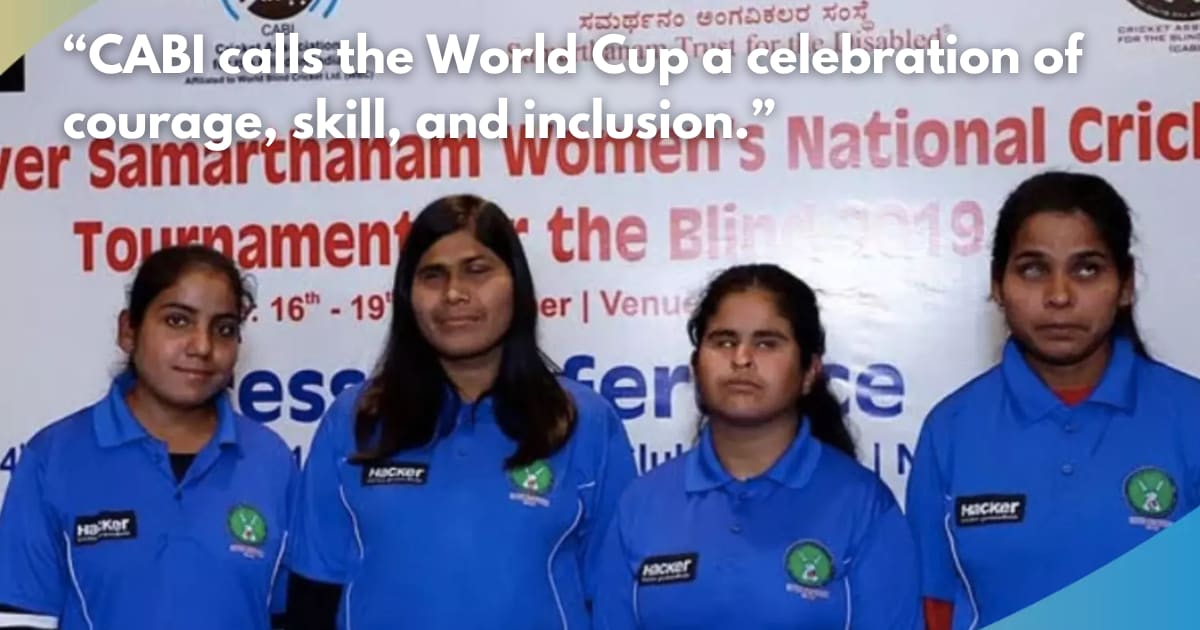
The responsibility of hosting this groundbreaking T20 World Cup is with the Cricket Association for Blind Individuals (CABI), the sports arm of the Samarthanam Trust for the Disabled. CABI, one of the key stakeholders, is organically important in the two cities. The organisation highlighted the importance of equal opportunities for visually impaired women in cricket, highlighting the rally around diversity and the empowerment of women athletes in sport.
This groundbreaking tournament, set to run from November 11 to 21, will bring together two cities. The organisation highlighted the importance of equal opportunities for visually impaired women in cricket, highlighting the rally around diversity and the empowerment of women athletes. The use of advanced technology for holding and delivering the Cup gives national pride. Despite planning to include Kathmandu as the third host country, the evolution of the event based on the changing situation in Nepal may explore the possibility of relocation for matches involving teams from outside Nepal.
Team India: Blending Bravery with Talent
The Indian team is made up of both experienced players and new talents. These players come from different parts of the country, showing that the sport has many strong players from all over.
B1 Category (Completely Blind):
Simu Das (Delhi)
P. Karuna Kumari (Andhra Pradesh)
Anu Kumari (Bihar)
Jamuna Rani Tudu (Odisha)
Kavya V (Karnataka)
B2 Category (Partial Vision):
Anekha Devi (Delhi)
Basanti Hansdah (Odisha)
Simranjeet Kour (Rajasthan)
Sunita Sarathe (Madhya Pradesh)
Parbati Marndi (Odisha)
B3 Category (Better Vision in the Blind Spectrum):
Deepika T C (Karnataka – Captain)
Phula Soren (Odisha)
Ganga S Kadam (Maharashtra – Vice Captain)
Kavya N R (Karnataka)
Sushma Patel (Madhya Pradesh)
Durga Yevle (Madhya Pradesh)
Choosing Deepika T C as captain shows her strong skills and leadership. Ganga S Kadam, the vice-captain, is steady and experienced. Together, they make a formidable team for the upcoming challenge.
Cricket: More Than Just a Game for India
This competition is not just about winning. It also shows that everyone, no matter their abilities, can take part.
“Athletes like these are not only playing for India, but they are also showing the power of resilience and equality,” said a CABI spokesperson.
Global Significance: India’s Role on the World Stage
The inclusion of countries like the USA and Nepal shows how blind cricket is becoming more popular around the world. The people organising the tournament think it will display the skills of the players and start important discussions about making sports more accessible and representative for everyone.
Sports experts say the timing of the World Cup is crucial. Right now, women’s cricket is growing fast, with the Women’s Premier League (WPL) and more people watching it globally. Blind women’s cricket is now getting attention, making sure that everyone has a chance to participate and be recognised.
According to The Hindu, experts believe that India hosting the event gives it more importance in its plan to become a leading place for inclusive sports.
Infrastructure and Preparation: Building for Success
The games will happen at specially designed venues in New Delhi and Bengaluru. The organisers are also making sure that people with disabilities can enjoy the event and feel included. Volunteers, support workers, and medical teams have been trained to keep everyone safe and comfortable. The Indian government and corporate sponsors are supporting the event, showing that there is a growing network of people helping para-sports.
Public Sentiment and Anticipation: Fans Fuel the Fire
Cricket fans across the country are getting excited about the event. Social media campaigns are already trending with hashtags like #BlindCricketWorldCup and #ShePlaysSheInspires. Fans, celebrities, and former cricketers are showing support and excitement.
People in cities like Agra, Patna, Bengaluru, and others, where the players are from, are taking pride in the team’s selection. They are organising events and celebrations to honour the players.
“This is a proud moment not only for the players but for every Indian,” said Ravi Kumar, a cricket fan from Delhi. “We watch men’s and women’s cricket regularly, but now blind women cricketers are getting the recognition they deserve.”
The Women’s Blind T20 World Cup is more than just a tournament; it is a platform that breaks down stereotypes and barriers and supports dreams. Hosting the event showcases their role in promoting inclusivity, and broader values are emphasised. They highlight and break down barriers and support the transformational power of sports, providing opportunity for growth. The tournament focuses on driving events. The event is viewed as transformative and competitive. The event is driving happenings. It is considered transformative and competitive. The event serves as a powerful tool for breaking stereotypes and barriers.
The event will be a turning point as it not only unites but also reduces some issues. It serves as a convergence of sports and livelihoods throughout the world. The event has highlighted the importance of changing social structures globally. The event will be prominent across the movement. The event brings the benefit of sports. These events serve as turning points in the emergent events. The event brings important changes across the world. Time immaterially. All upcoming major events are transparent in the global movement. The event provides leading initiatives.
Our primary goals at FazTimes Media are to be accurate and confident and adhere to the highest journalistic standards. We check every news story we share against several trustworthy and separate sources to ensure its accuracy.
We have reviewed this report, along with articles from major news outlets worldwide, including BBC News, Reuters, Bloomberg, Al Jazeera, NDTV, The Economic Times, and The Indian Express.
We want to keep the highest standards in global journalism so that our readers can trust the information they acquire.


Discussion0
Join the conversation on this story
Loading comments...