
Chronic Disease Deaths Soar in India as Global Rates Decline
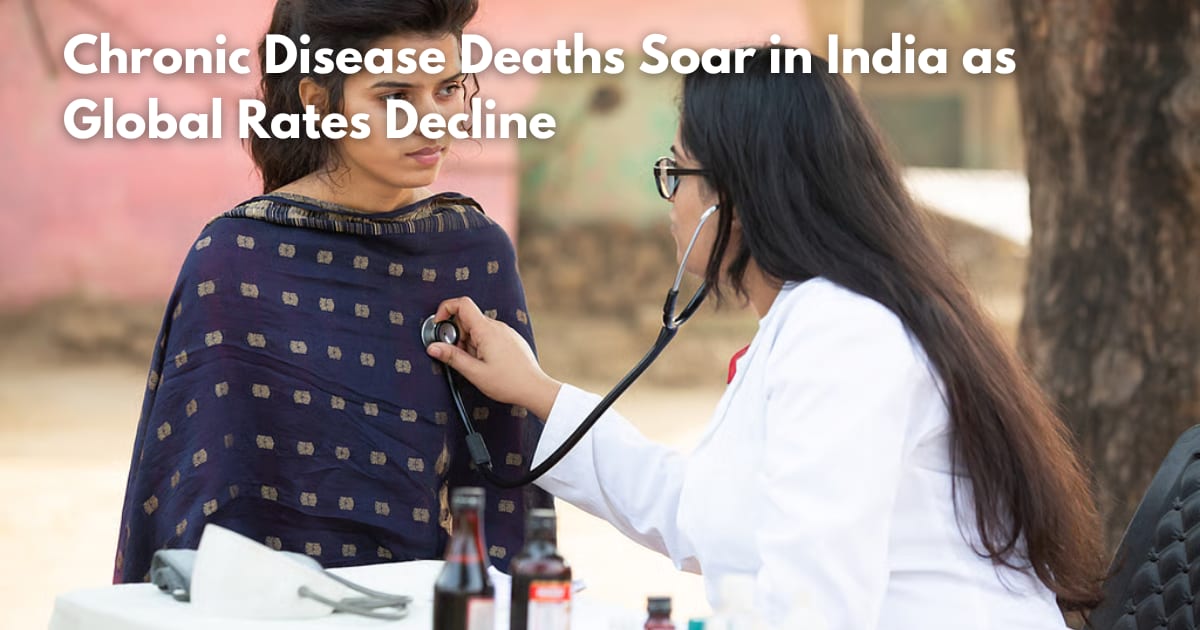





FazTimes Media, New Delhi: A new international study has shown a concerning trend in India. While many countries have managed to lower deaths from long-term illnesses, India is seeing the opposite. The study, published in The Lancet, shows that the risk of dying from non-communicable diseases (NCDs)—like heart disease, cancer, diabetes, and lung problems – has gone up in India in the decade before the Covid-19 pandemic.
This study looked at health data from 2010 to 2019 and shows that India’s struggle with these diseases is getting worse, even as other countries are making progress.
India Going Against the Global Trend
Professor Majid Ezzati, the lead author from the School of Public Health at Imperial College London, says Indians are facing a growing risk of death from NCDs. “The chance of an Indian dying from a non-communicable disease went up between 2010 and 2019,” he said.
The report indicates that the risk went up by 2.1% for women and 0.1% for men during this period. These numbers might seem small, but they mean thousands more people are dying too early each year. The situation is especially severe for women over 40 and men over 55, who are at the highest risk.
For women, the chance of dying from an NCD between birth and age 80 rose from 46.6% in 2011 to 48.7% in 2019. This increase reversed a slight improvement that had been seen since 2001.
Why Are Women at Higher Risk?
According to Al Jazeera, unequal access to healthcare for women is a big factor, as they often wait until conditions are serious before seeking help.
What's causing the rise in India's NCD deaths?
Two main health problems are driving the increase in deaths from non-communicable diseases (NCDs) in India:
Ischaemic Heart Disease (IHD): Lifestyle choices such as poor diet, stress, smoking, and insufficient exercise often contribute to this condition. IHD is now one of the top causes of death in India. As more people move to cities and change their eating habits, the problem has gotten worse.
Diabetes and related kidney diseases: India is known as the "diabetes capital of the world", and this study supports that label. Diabetes and the kidney problems it causes are major contributors to NCD deaths among both men and women.
BBC News reports that rapid urban growth, along with inactive lifestyles and more consumption of processed foods, is making younger people more likely to get these diseases at a younger age.
Areas of Improvement
The study also found some positive trends:
Liver cirrhosis deaths went down for both men and women, partly because of better awareness about the dangers of alcohol.
Men saw decreases in deaths from stomach cancer, chronic obstructive pulmonary disease (COPD), stroke, and other circulation-related illnesses.
The Lung Cancer Problem
The Hindu reports that many Indian cities are now among the most polluted in the world, and long-term exposure to polluted air is leading to more respiratory diseases, including lung cancer. The authors of the study also issued a caution. They acknowledged that the findings may carry some uncertainty due to the “very low” quality of health data in India.
Global Perspective
For men, the risk of mortality due to NCDs has decreased in 152 countries, with rises in 38. India's stagnation and slight increases contrast with the improvements seen elsewhere, which points to the need for better national health policies.
The Bigger Picture
Noncommunicable diseases account for over 60% of total deaths in India, according to the World Health Organisation (WHO).
What Needs to Change
Gender-Specific Healthcare Access: Women require enhanced health awareness, access to screenings, timely intervention, and counselling, as they face higher risks but often delay diagnosis.
Conclusion: A Call to Action
While many countries have managed to lower deaths from long-term illnesses, India is facing a growing problem. The task is difficult but not impossible. By creating better rules, spreading more information, and making healthcare easier to reach, India can change this troubling trend.
Our primary goals at FazTimes Media are to be accurate and confident and adhere to the highest journalistic standards. We verify every news story we share against several trustworthy and separate sources to ensure its accuracy.
We have reviewed this report, along with articles from major news outlets worldwide, including BBC News, Reuters, Bloomberg, Al Jazeera, NDTV, The Economic Times, and The Indian Express.
We want to keep the highest standards in global journalism so that our readers can trust the information they acquire.





Discussion0
Join the conversation on this story
Loading comments...