
US Tariffs Hit Indian Carpet Industry, Exports to US Halted
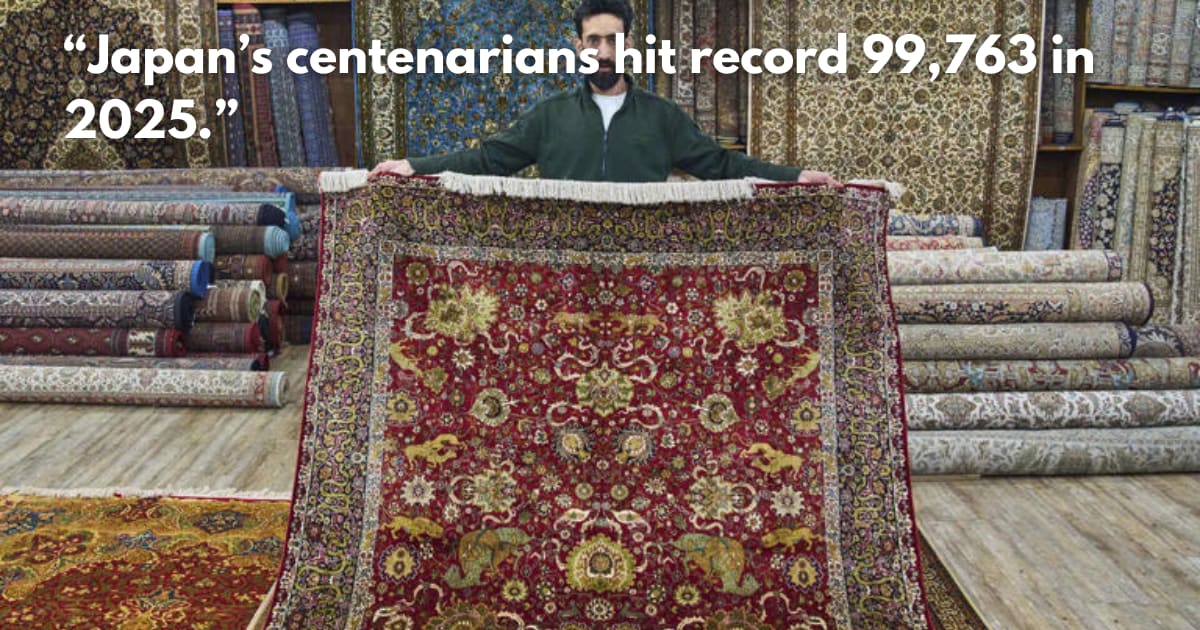
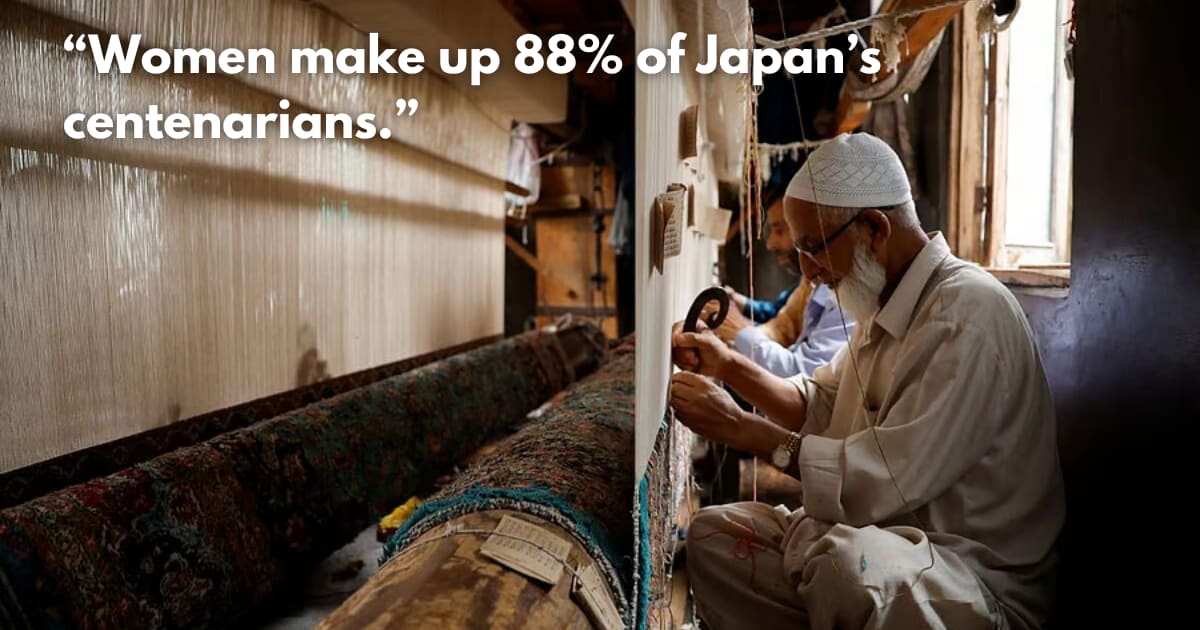

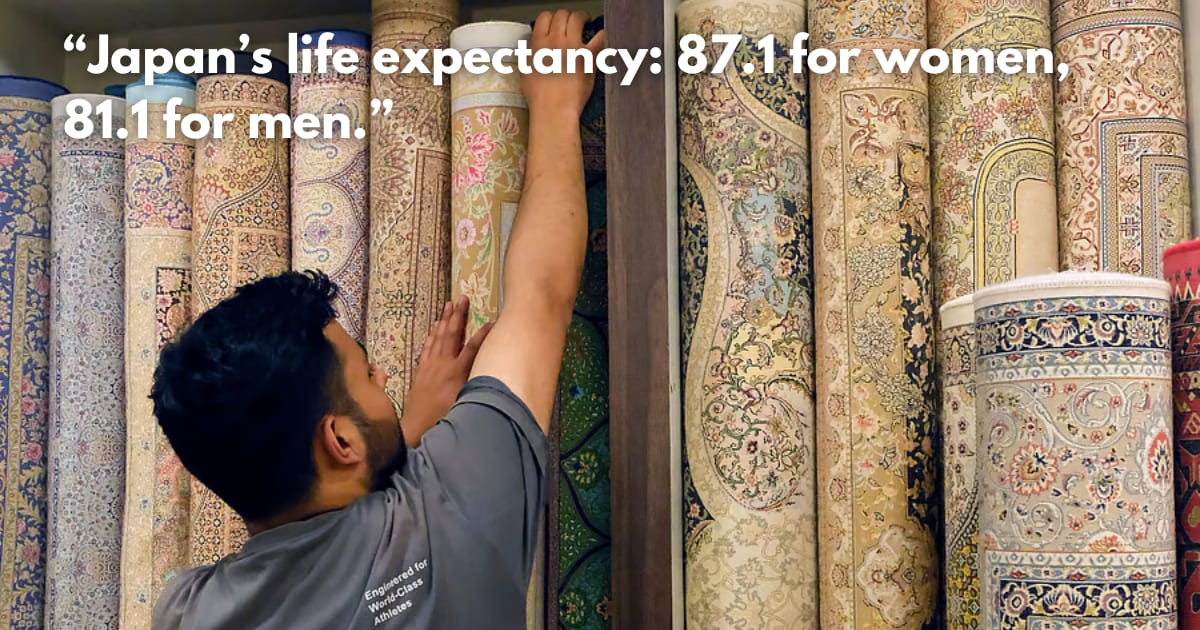

Bhadohi, India: Surya Mani Tiwari has had sleepless nights ever since United States President Donald Trump slapped India with 50 per cent tariffs. The 78-year-old exports carpets worth more than 1 billion rupees ($11.4m) from Bhadohi in the northern Indian state of Uttar Pradesh to the US every year. However, the tariffs, which represent the highest tier thus far, have completely halted business operations.
“We are completely dependent on the US for our business and have no other markets. The tariffs have brought our production to a halt, and no consignment has been dispatched to the US for the past month,” Tiwari told Al Jazeera. "This is the worst phase of my 50-year career in the carpet business, and if the situation doesn't improve in the next two months, the industry will face a painful demise."
Tiwari is among the several hundred carpet exporters in Bhadohi, popularly known as the carpet city of India, who are staring at a complete collapse of their business ever since Trump announced tariffs on India—initially 25 percent, which kicked in on August 7, and an additional 25 percent on August 27 on account of India’s imports of Russian oil, which he has said are fuelling the war in Ukraine.
India’s predominantly export-based carpet industry produces handloom, handicraft, knotted, Persian, and various other types of carpet that have a high demand in the US, including wall-to-wall carpeting in homes and businesses.
The industry, with a turnover of 160 billion rupees ($1.83bn), employs more than 2.5 million people across the country, the majority of whom are weavers, as per the Carpet Export Promotion Council (CEPC). Bhadohi is the epicentre of the carpet business and controls more than 80 percent of its total turnover. It houses about 1,200 exporters who also double up as manufacturers. Approximately 1.4 million people, 5-6 per cent of whom are women, depend on this business for their livelihood.
“We have been ruined with such high tariffs, as the carpet industry runs completely on exports with a very negligible domestic presence,” CEPC director Piyush Baranwal told Al Jazeera. The US serves as the primary market for our business, accounting for approximately 60% of our total turnover. Several million people earn their livelihood through carpets, which is like a cottage industry here.
Production was already on the decline since Trump announced reciprocal tariffs on April 2, but manufacturers and exporters were still hopeful that the bilateral discussions between New Delhi and Washington, DC, would bring a competitive tax rate.
“We were hopeful that the discussions would help sort out the issue, but nothing fruitful came out, which was very disappointing. The harsh tariffs have virtually crippled the industry, making it impossible to pay such high taxes when the margin for wholesalers is only eight to 10 per cent, according to Baranwal.
Why Big Players Are Losing Ground
Sanjay Gupta, a carpet exporter and partner in Global Overseas, pointed out that the industry, despite its modest turnover, generates employment on a large scale. It works like a cottage industry where the exporters outsource orders to weavers who work from their homes.
“The weavers are a major force here,” he said. “The sudden tariffs will have major repercussions, as they might trigger large-scale migration of unemployed people to other states, and it would be difficult to bring them back in the future. I have lost around 40 per cent of my business since the reciprocal tariffs were announced in April, he said, and in turn he has cut back on commissions to weavers.
Exporters also fear that India’s competitors in the carpet business, such as Türkiye and Pakistan, which have lower tariff rates at 15 per cent and 19 per cent, respectively, will snatch their market in the US. “It would become increasingly difficult to hold our market share in the US, as other countries with lower tariffs will definitely try to increase their dominance. We might lose a major chunk of our US market if no timely resolution is done,” Md Zakir Hussain, 31, a carpet exporter and manufacturer, told Al Jazeera.
The loss of business has also spread to middlemen like Md Zamir Ahmed, 40, who supplies cotton yarn to the manufacturers. “We were suffering for the past five years since the yarn suppliers began to deal directly with the manufacturers and devoured our profits. The small market that we still possessed has come to an end with these tariffs.”
The Human Cost of an Industry in Decline
Ever since the announcement of tariffs, layoffs have begun in the carpet industry because of the drop in orders. Weavers who receive daily wages based on their work are nearly jobless and have begun relocating to other regions.
Raza Khan, president of the All India Carpet Manufacturers Association (AICMA), told Al Jazeera that about 100,000 people have become jobless, and the number could reach 700,000, or half of Bhadohi’s weaver population, in the next two months if the situation does not change.
Fatima Samir, 30, a mother of three daughters, earns 60 rupees ($0.68) for an hour of work binding carpets – the process of finishing the raw edges of a carpet. Even that paltry sum has been cut down now, forcing her to keep her youngest daughter out of school because of the financial crunch. Her husband, a carpet weaver, migrated to another city in April, where he found work in a soft drink bottling factory, when the orders in Bhadohi started to slow.
Even though he is sending money home, the extra expense of running two homes has hit the family, leaving Samir worried about her daughters’ future. “I am trying to give a good education to my daughters and do not want them to get involved in this menial work. But the dwindling work worries me. Who knows what will happen in the future?” she said.
Imtiaz Ansari, 50, a carpet manufacturer and exporter, told Al Jazeera that he has already scaled down the working days of his employees. We have curtailed the working hours of our employees to just three days a week due to the present crisis. We might have to start retrenching them if the situation remains the same. Over 4,000 weavers who depended on us have stopped getting tork for the past month. Currently, we are holding over 90 percent of orders and only completing the pending ones.
Obaidulla Asri, 45, a local journalist who has been writing about the Bhadohi carpet industry for several years, warned that things could worsen. The manufacturers borrow money from the banks to make the carpets for which they have received orders, but get paid only two to three months after delivery.
“The manufacturers here work on bank loans and have longstanding credits with their US buyers. The starvation of orders will have a deadly impact not only on the industry and its workforce but also on the entire economy of the city, as the local businesses here depend on the foreign revenue that comes from the carpet sales. The [drop in those sales] has already reduced the buying capacity of the local people, and you can see that in the empty shops and markets, he said.
Our primary goals at FazTimes Media are to be accurate and confident and adhere to the highest journalistic standards. We check every news story we share against several trustworthy and separate sources to ensure its accuracy.
We have reviewed this report, along with articles from major news outlets worldwide, including BBC News, Reuters, Bloomberg, Al Jazeera, NDTV, The Economic Times, and The Indian Express.
We want to keep the highest standards in global journalism so that our readers can trust the information they acquire.





Discussion0
Join the conversation on this story
Loading comments...