
US Urges G7 to Impose Tariffs on Russian Oil Buyers


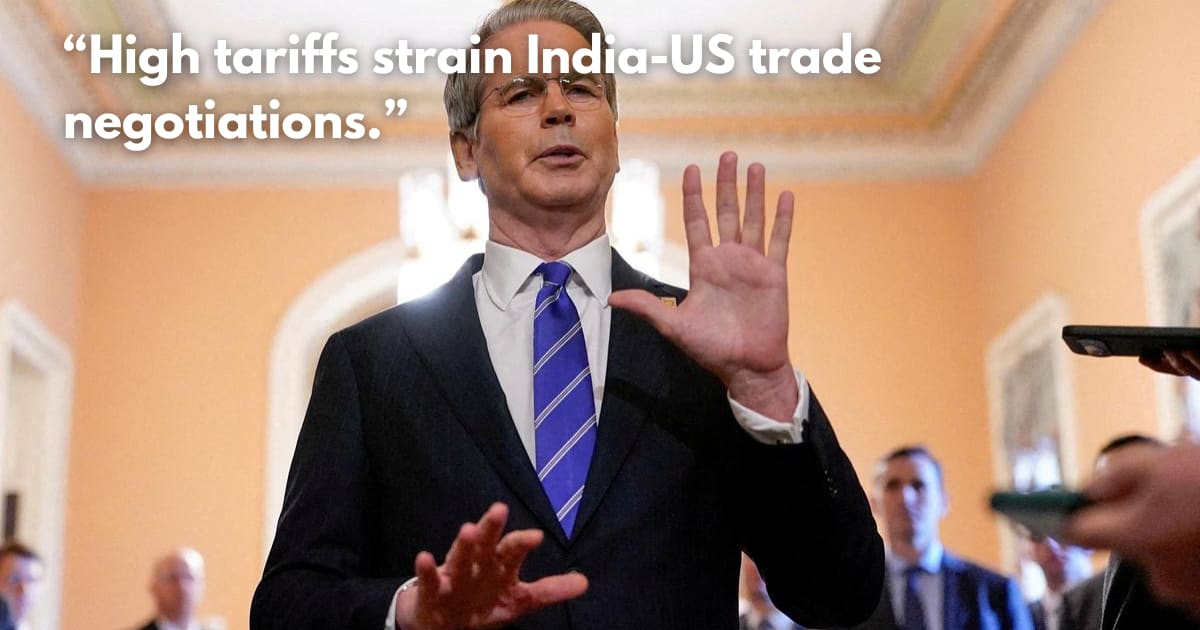
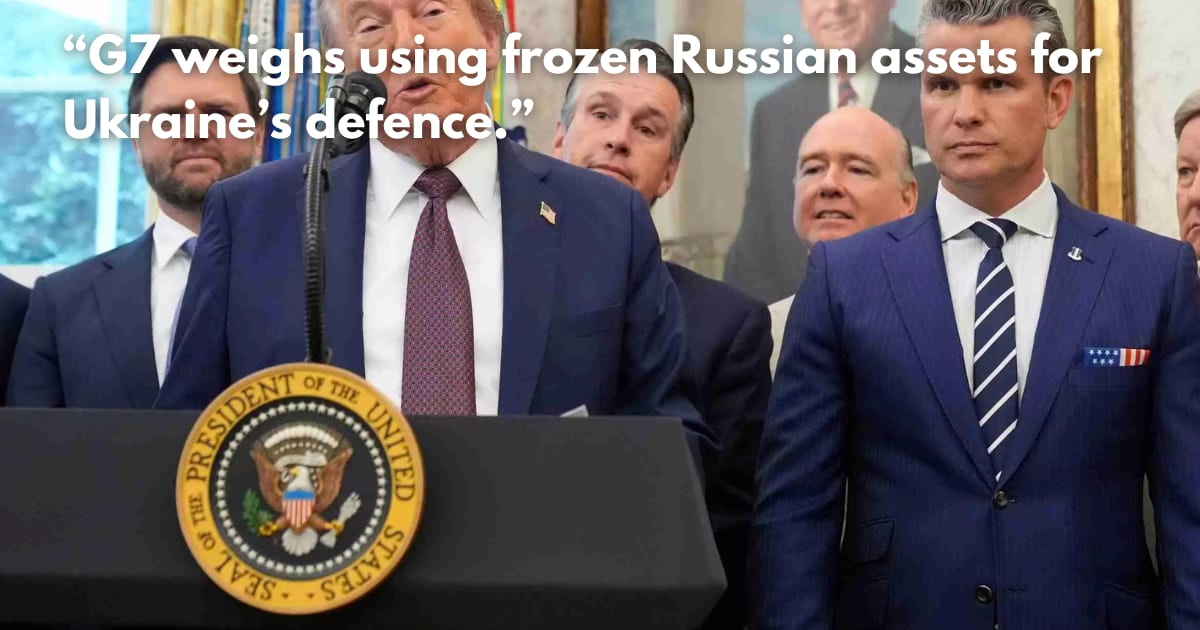


FazTimes media, Washington, D.C.: The United States has once again asked its closest economic allies in the Group of Seven (G7) to take a stronger stand against countries that continue to buy Russian crude oil. The U.S. warns that only by working together can it cut off Moscow’s funding for the war and help bring the conflict in Ukraine to an end faster. During a virtual meeting led by Canada’s Finance Minister François-Philippe Champagne, U.S. Treasury Secretary Margaret Bessent asked her G7 colleagues to support a new tax system that would punish countries that keep importing Russian oil. The U.S. Treasury says the plan is meant to cut into the profits that help fund "President Vladimir Putin's war machine" by lowering Moscow’s energy earnings.
The G7 includes the U.S., Canada, Japan, Germany, France, Italy, and the U.K. These countries have already put many sanctions on Russia, but the U.S. feels the current rules still allow some countries, like India and China, to buy a lot of Russian oil.
“Only with a truly united plan can we cut off their money at the source and stop this unnecessary loss of life,” said Secretary Bessent in a statement.
The U.S. Pressure Campaign: Washington’s Push to Isolate Russia
According to BBC News, the Biden administration has been pushing G7 countries for months to introduce new penalties for countries that buy Russian oil. However, several European countries have been reluctant. Many worry that strict rules could push up global oil prices and make it harder for Western countries to afford everyday costs.
However, the U.S. has already taken independent action. Recently, the U.S. raised duties on a wide range of Indian products, including a new 50 percent tax on Indian oil imports from Russia. Officials in New Delhi called the move “unfair and unreasonable”, saying India’s energy choices are based on what’s best for the country, not pressure from abroad.
At a press briefing, Indian trade officials said they need cheap oil to keep their economy growing. They also asserted that securing discounted oil from various sources, including Russia, is critical to guaranteeing India's energy security.
Strained US–India Relations: A Friendship Tested by Geopolitics
This situation has created tension in the current trade talks between the US and India. The two countries have been working on a trade agreement since March, holding five rounds of discussions. The sixth round was delayed after the US introduced new tariff policies.
An Indian negotiator told local media that India believes energy buying is a national choice. People view the US's trade actions against India's oil imports as unfair and detrimental to the friendship between the two nations. According to Al Jazeera, the US's one-sided tariffs could push away an important ally in Asia. The present is a time when the US is trying to build stronger partnerships in the Indo-Pacific region to stand up to China and Russia.
Although the US wants to isolate Russia, this approach may damage trust with India, which has always valued its independence.
Canada and Europe’s Calculations: Balancing Morality with Markets
Canada, which is currently leading the G7, has stressed the need for united action. However, it has not fully supported putting tariffs on Russian oil buyers. Minister Champagne said that Russia's recent actions, such as flying drones into Polish airspace and carrying out more attacks in Ukraine, need “new and strong responses”.
But European countries are worried about how such sanctions might affect the global oil market and energy supply for poorer nations. The Guardian reports that some G7 nations fear that punishing big buyers like India might push them closer to Russia and China instead of the West.
Despite this, G7 officials decided to expedite discussions regarding the transfer of Russian assets frozen in Western banks. These funds, worth billions, are being considered to support Ukraine’s defence and recovery. Although the idea is gaining momentum, it still faces legal and political challenges.
Trump’s Influence: The Shadow of Politics on Foreign Policy
Adding another layer to the debate, former U.S. President Donald Trump has openly claimed credit for the tough tariffs on Russian oil.
During a televised interview on Fox and Friends, Trump said:
India was Russia’s biggest oil customer. I added a 50% tariff on India because they were buying too much from Moscow. That wasn’t easy—it created problems with India, but it was necessary.
These comments show how politics back home in the U.S. are influencing how the country is handling Russia internationally. Experts say that the tougher stance from Washington could also be about showing strength ahead of the 2026 elections, painting a picture of strong leadership in foreign matters.
The Global Stakes: Why the World Is Watching Closely
The bigger question is whether these tariffs on Russian oil buyers will actually change the course of the war. Experts say that while these tariffs might reduce some of Russia’s income, they could also push oil trade into less transparent channels. Russia has already started using a so-called "shadow fleet" of tankers, which operate outside of regular tracking and insurance systems to avoid sanctions and price limits.
According to the Financial Times, Moscow is selling crude oil at lower prices to India and China. These countries then process the oil into products and send them to other markets, sometimes even to Europe through indirect routes. This complicated chain of trade shows how global energy markets can change to get around sanctions, which often weakens their effect.
Ukraine’s Plea: A Cry for Support Amid Escalating Conflict
However, Kyiv sees every move that limits Russia’s earnings as vital. Ukrainian officials keep asking Western allies to make sanctions even tougher and close any gaps that let Russia keep funding its military. Speaking at a recent press conference, Ukrainian Finance Minister Serhiy Marchenko said, "Every dollar Russia makes from oil sales means more missiles, more drones, and more damage. We ask the G7 to stay strong."
This call for stronger action has also been supported by various human rights groups, which believe that targeting Russia’s energy income is one of the most effective ways the West can support Ukraine without using military force.
What Lies Ahead: Possible Scenarios in a Divided World
Washington is taking a strong position, but it’s not clear if its G7 partners are ready to do the same. Imposing tariffs could create more problems, not just with countries like India that aren’t aligned, but also within the G7 itself, where different economic goals exist.
Energy experts argue that a more strategic approach, rather than relying solely on tariffs, could yield better results. This could involve closely monitoring existing price limits, imposing stricter shipping restrictions, and collaborating with emerging economic powers.
One thing is clear: the war in Ukraine has changed the way the world looks at energy. Countries now have to confront both doing the right thing and keeping their economies strong. The next few months will show if the G7 can overcome these differences or if individual actions will lead the way in this global struggle.
Conclusion: A Defining Moment in Global Diplomacy
The U.S. push to charge tariffs on companies buying Russian oil shows a bigger effort in the economic part of the Ukraine war. While Washington says only a united global response can stop Moscow’s actions, its moves have already caused tension with allies like India.
Whether or not the G7 can agree, this debate shows a bigger picture: energy is more than just a product—it’s a key tool in the fight for global power and safety. As reported by BBC News, the war in Ukraine is now as much about money moving between countries as it is about taking land. And as the U.S. continues to push for tariffs, the world watches to see if this approach really weakens Russia or just changes who controls the energy world.
Our primary goals at FazTimes Media are to be accurate and confident and adhere to the highest journalistic standards. We check every news story we share against several trustworthy and separate sources to ensure its accuracy.
We have reviewed this report, along with articles from major news outlets worldwide, including BBC News, Reuters, Bloomberg, Al Jazeera, NDTV, The Economic Times, and The Indian Express.
We want to keep the highest standards in global journalism so that our readers can trust the information they acquire.



Discussion0
Join the conversation on this story
Loading comments...