
Blue Baby Syndrome: What the Condition Indicates & Key Symptoms


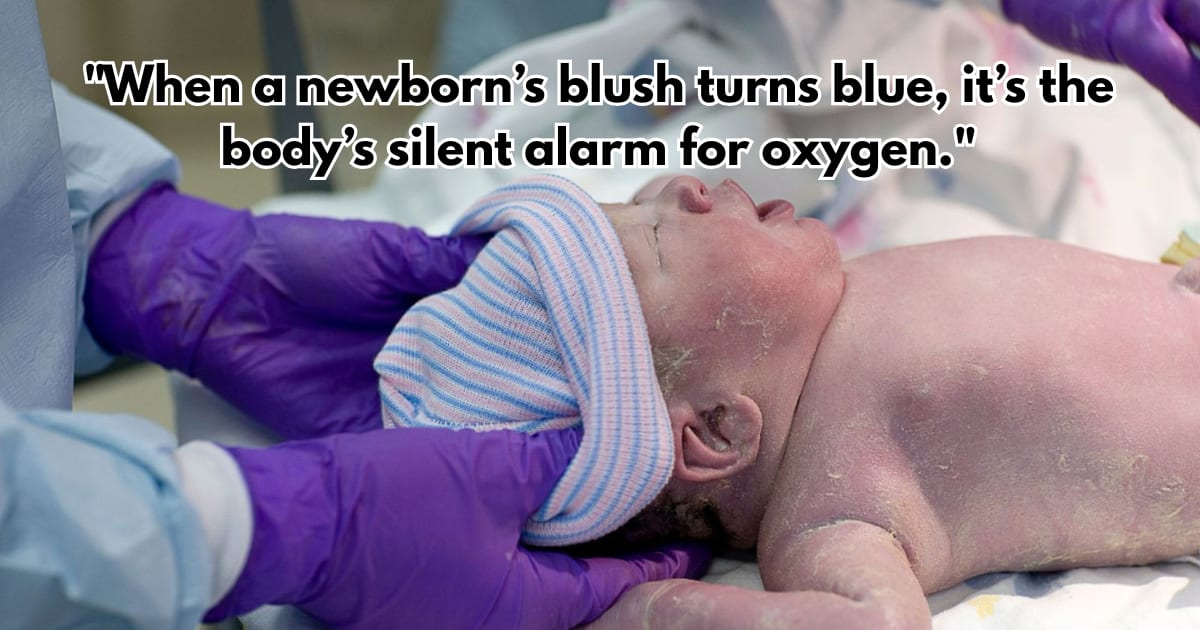
FazTimes Media, Health, US: If a newborn's skin turns yellow, it's a sign that something needs to be done. A lot of parents know what jaundice is, which is when bilirubin levels go up, or pallor, which can mean anaemia or poor circulation. However, if a baby's skin, lips, and even fingertips appear bluish, it indicates a more serious issue – a possible disruption in blood oxygen levels. Medical professionals refer to this condition as Blue Baby Syndrome. The Cleveland Clinic notes that a common medical cause is methemoglobinemia (MetHb), a situation in which red blood cells fail to deliver oxygen to the body's tissues. This condition leads to a bluish or purplish appearance in the skin, nails, tongue, and lips; it is known as cyanosis.
Blue Baby Syndrome is not a condition on its own; it is a sign of other medical problems that are going on. Oxygen is important for the organs in the body, especially for babies whose organs are still growing. When there isn't enough oxygen, the body's tissues turn blue.
BBC News says that cyanosis can be caused by several things, from congenital heart problems to certain blood disorders. The condition's severity depends on how low the oxygen levels are and how quickly medical help is given.
What Causes This Condition?
Dr Virendar Kumar Gehlawat, who leads the paediatrics department at Dwarka Manipal Hospital, told a well-known health magazine that there are many reasons why a baby might look blue.
Some of these reasons are associated with heart problems, while others stem from issues with the lungs or the type of haemoglobin present in the blood. Dr. Gehlawat said that it can be hard to tell if a baby is blue at times, especially if they have darker skin or are anaemic, which can hide the colour change. For this reason, he recommends that parents use a pulse oximeter—a small tool that goes on a baby's finger or toe to quickly and gently check their blood oxygen levels.
Common causes include:
Tetralogy of Fallot, transposition of the great arteries, and truncus arteriosus are examples of heart problems.
These conditions affect how blood moves between the heart and lungs, which can lower the oxygen levels in the blood.
Lung issues can include conditions such as pneumonia or respiratory distress syndrome. Methemoglobinemia can be either inherited or acquired, and it can affect the blood.
In rare cases, elevated nitrate levels in water, especially in rural regions, may be associated with this condition with environmental factors.
Medical reports from Al Jazeera also indicate that certain drugs or chemicals can cause methemoglobinemia in babies, even if they are otherwise healthy.
How is it diagnosed?
A physical exam is usually the first step. A doctor looks for blue skin and listens to the baby's heart and lungs. They might do more tests if they think the oxygen levels might be low. These are:
Pulse oximetry checks how much oxygen is in the baby's blood. Blood gas tests are used to look at the levels of oxygen and carbon dioxide in the blood.
Echocardiography employs sound waves to examine the heart and identify any structural problems.
Chest X-rays to check for problems in the lungs.
For more serious problems, special imaging tests like a CT scan or an MRI of the heart may be needed to find out what's wrong.
What is causing the problem will determine the treatment.
If the problem is a heart defect, surgery may be necessary, and it may even have to be done right after birth.
Oxygen therapy or help with breathing may be used to treat lung problems. If the baby has methemoglobinemia, they are given medicine like methylene blue to help the blood carry oxygen better.
Dr Gehlawat says early diagnosis is very important. With quick medical care, most babies can recover and live healthy lives.
Should Parents Be Concerned?
The short answer is to stay watchful but not overly worried. The Cleveland Clinic says that congenital methemoglobinemia usually doesn't cause serious long-term problems. But if this problem is linked to heart problems or serious lung problems, getting medical help right away can make a big difference in whether the child gets better or gets hurt badly.
Some types of Blue Baby Syndrome, especially those linked to heart defects, can lead to brain-related problems if not treated quickly. In very bad cases, it can even kill you.
Local Relevance: Why It's Important for Indian Parents
This condition is uncommon in India, but it does happen. People who live in the country and drink water that isn't safe are more likely to get methemoglobinemia because nitrates in the water can cause it. City dwellers might face risks from complications of early births or undetected heart problems.
Hospitals and clinics in major cities like Delhi, Mumbai, and Bengaluru have better treatment options for newborn heart issues, but many parents aren't aware of this. This shows the importance of parents staying alert and informed.
Prevention and Awareness
While not all causes can be prevented, parents can take some steps to reduce risk:
Make sure the drinking water is safe, especially for babies who are fed formula in rural areas.
Have your baby checked regularly in the first week after birth and during vaccination visits.
Watch for signs like blue lips, sudden trouble breathing, or unusual tiredness.
Before giving your child any medicine, talk to a doctor.
It might be scary, but learning about Blue Baby Syndrome is the first step towards getting the right care. Parents should remember that the bluish colour is not the issue itself but an indicator that something more serious is happening. Modern medicine offers various treatment options, and early detection and timely response can help most infants make a full recovery.
According to Dr Gehlawat, "Having a pulse oximeter at home, being attentive to any changes in your baby's skin tone, and having quick access to medical services can make all the difference."
According to Al Jazeera, public health experts highlight that the main challenge is not the treatment's availability but the delay in recognising symptoms. Ensuring the best possible start in life requires informed and prompt responses.
Our primary goals at FazTimes Media are to be accurate, confident, and adhere to the highest journalistic standards. We check every news story we share with a number of trustworthy and separate sources to make sure it's true.
We have read this report along with articles from major news outlets throughout the world, including BBC News, Reuters, Bloomberg, Al Jazeera, NDTV, The Economic Times, and The Indian Express.
We want to keep the highest standards in global journalism so that our readers can trust the information they acquire.





Discussion0
Join the conversation on this story
Loading comments...