
EU restrictions put spotlight on Reliance’s Russian oil imports
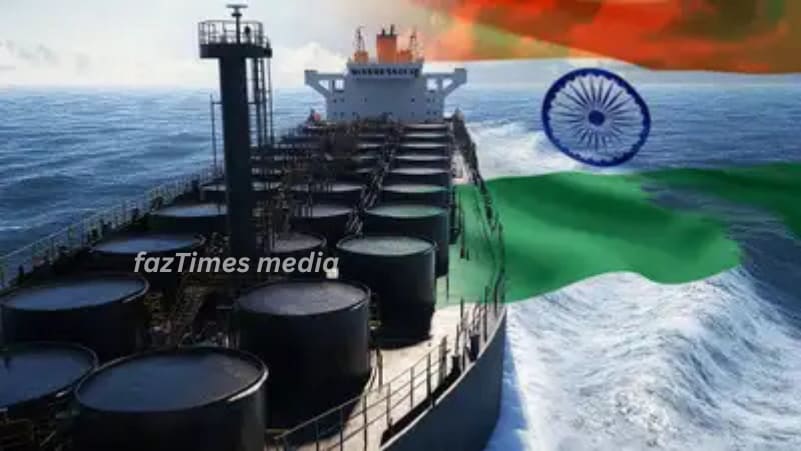
fazTimes media: Mumbai— Reliance Industries Ltd., India’s biggest private-sector refiner, run by Mukesh Ambani, is now facing new challenges after the European Union introduced new rules that limit diesel made from Russian crude. The new legislation has made people look more closely at how Reliance gets its oil, which has been mostly from Russian barrels since 2022, usually at lower prices. Bloomberg and BBC News say the EU’s new rules stop importing diesel and other refined products made from Russian crude, even if they are processed in another country.
The rules will start on January 21, 2026, and could affect companies like Reliance, which sells diesel to Europe.
Recently, Reliance bought a lot of Russian crude, making use of big price cuts after Russia invaded Ukraine. Kpler, which tracks ships, shows that almost half of Reliance’s crude imports in 2025 were from Russia. These imports helped the Jamnagar refinery, the world’s largest, make more profit.
But the new rules have made Reliance change its approach. Some people in the industry and traders say Reliance has made a rare buy of Abu Dhabi’s Murban crude, a more expensive type of light oil. This is different from the Urals and other Middle Eastern oils that Reliance usually prefers. This move is considered an early step in Reliance’s plan to reduce its reliance on Russian oil.
"Buying Murban shows they might be testing new fuel mixes and trying to follow the coming EU rules," said a trader who knows a lot about Indian oil markets. India, the world’s third-largest importer of oil, has been carefully managing its relationships since Russia invaded Ukraine. The country keeps strong connections with Russia while also working with Western nations. India hasn’t backed sanctions against Russia and has stressed the importance of getting cheap energy for its big population.
India’s Foreign Secretary, Vikram Misri, talked about these factors recently when responding to new rules from the EU. He said there needs to be a balance when putting in place secondary sanctions that could hurt developing countries like India. “We understand the concerns of geopolitics, but we also need to think about the economy,” Misri said. This complex situation has affected Reliance, a private company.
It has made a lot of money by buying cheap crude oil from Russia and turning it into diesel and jet fuel for export, mainly to Europe and Asia. But now, European buyers are told not to use fuels made from Russian oil. This means Reliance’s profitable export plan is in trouble. The EU’s new rules aim to stop a way that lets Russian crude be turned into fuel and then sold back to Europe through countries like India, Turkey, and the UAE.
The new rules say no fuel made from Russian oil can be sold, no matter where it is refined. For Reliance, this means any diesel or jet fuel going to Europe has to come from oil that isn’t Russian. Approximately 20% of Reliance's refined fuel was shipped to Europe last year, according to a Reuters report. If they can’t sell to Europe anymore, their profits might drop unless they find new markets or different oil sources.
Reliance seems to be getting ready for this change by spreading out where it gets its oil from. Even though Murban is more costly, it's a cleaner and lighter type of crude oil that can be mixed to make better-quality diesel. Some traders think Reliance might also be looking to bring in more oil from places like Saudi Arabia, Iraq, and West African countries such as Nigeria and Angola.
"Replacing about 600,000 barrels per day of Russian oil isn't easy," said Vandana Hari, founder of Vanda Insights. "It's not just about finding new sources but also adjusting refinery setups and dealing with the costs involved."
Even with these difficulties, Reliance has experience dealing with different types of crude oil. Its Jamnagar refinery can process over 1.2 million barrels each day and is set up to handle both heavy and light crude. The real challenge will be keeping the profits high while making sure everything follows international rules.
Domestic and Global Implications
The EU's decision affects more than just Reliance. Other Indian oil companies, such as Indian Oil Corporation and Bharat Petroleum, may also face scrutiny if their products contain Russian components. However, private companies like Reliance, which focus more on selling oil abroad, are at greater risk.
This situation shows how complicated the global energy trade has become. Al Jazeera highlights that shifts in global politics are altering the global energy trade. Now, keeping energy safe, following rules, and keeping costs down are all connected. India must adapt its international relationships and business deals to avoid unanticipated problems.
What Lies Ahead
Experts predict that Reliance will gradually reduce its use of Russian oil and experiment with more types of crude oil in the near future. This might make things a bit more expensive, but it could also help them be more reliable in getting supplies and follow rules better.
In the long term, the EU's position might make Indian refiners change how they sell their oil abroad. Reliance could focus more on places like Asia, Africa, and Latin America, where the rules might not be as strict. Or they might increase production for the local market, which is still growing in fuel demand.
"This is a pivotal moment," stated an energy analyst at Nomura. Reliance has to balance being cost-efficient, dealing with new rules, and having access to new markets—all while dealing with uncertain political situations.
So far, the company hasn’t officially said anything about the new EU rules or any changes in where they get their oil.
But signs like buying Murban suggest that India's big oil refiner is already making adjustments. As the global energy scene keeps changing, how Reliance responds will be watched closely—not just by investors, but also by governments, regulators, and other refiners around the world.
At FazTimes, we prioritize accuracy, confidence, and strong journalistic standards. To ensure every news story we share is real, we verify it with multiple trustworthy and independent sources.
We’ve compared this report with coverage from major news outlets around the world, including BBC News, Reuters, Bloomberg, South China Morning Post, Al Jazeera, NDTV, The Economic Times, and The Indian Express.
Our dedication lies in upholding the highest standards in global journalism, ensuring our readers can trust the information they receive.





Discussion0
Join the conversation on this story
Loading comments...