
EU & US Nearing 15% Tariff Deal: Cars & Key Sectors Included

fazTimes media: New Delhi — The European Union and the United States are getting closer to a new trade deal that might change how trade happens between them. European diplomats say the two big economies are talking about a base 15% tax on goods from the EU, but there could be some exceptions. The implementation of this deal could impact numerous industries in Europe, Asia, and even Indian markets that depend on exports or global supply chains.
Reuters and BBC News report that the deal is similar to one recently signed by the U.S. and Japan. In that deal, car taxes went down from 27.5% to 15%, and Japan promised $550 billion in investments and loans. The EU wants to avoid a 30% tax that President Trump is set to put in place on August 1st, unless a deal is reached.
Why This Deal Matters
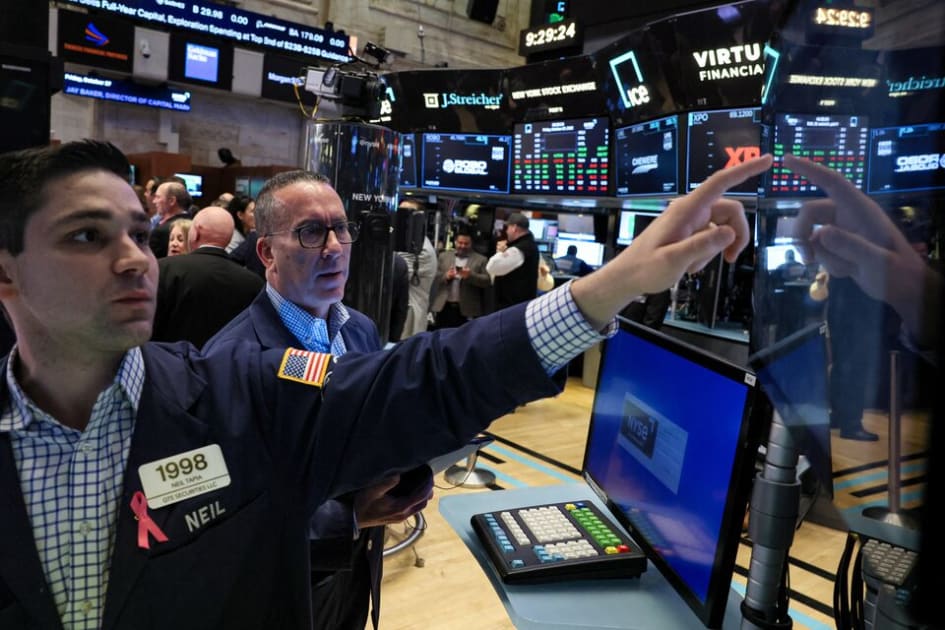
Trade deals between the U.S. and the EU are more than just about taxes. They impact the global economy, the production and transportation of goods, the sentiments of investors, and even the employment situation in countries such as India. Lowering the tax from 30% to 15% could stop prices from going up too much, keep businesses running, and reduce the trade problems that have worried markets in recent times.
Al Jazeera reports that European Commission officials are feeling a bit hopeful but are still ready with plans to respond, including $93 billion in possible taxes, if the talks don’t work out. "Most EU member countries support taking a strong stand using anti-coercion tools," stated a diplomat working on the talks.
Automobiles at the Heart of the Talks
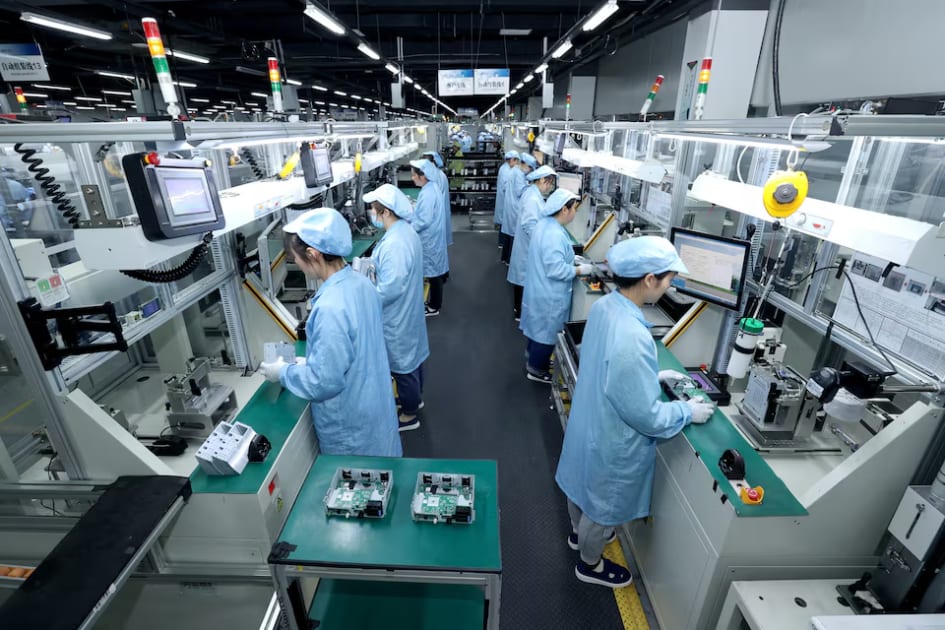
The car industry is a big part of these talks. Germany, France, and Italy, which are some of the biggest EU countries that export cars, are worried about the 30% tax. Cars make up a big part of what the EU sells to the U.S., and if the tax goes up, it would hurt companies like Volkswagen, BMW, and Renault. It would also affect other industries like steel, electronics, and transport around the world.
After the U.S.-Japan deal lowered car taxes to 15%, EU negotiators thought maybe a similar deal could happen for them. European car companies saw their stock prices go up, with Mercedes-Benz and Fiat seeing gains in Frankfurt and Milan.
What’s Driving the US Strategy?
President Trump has often said his government is focused on making fair trade deals and lowering tariffs only for countries that open their markets to American products. The U.S. government reports that Treasury Secretary Scott Bessent and Japan got its 15% auto tariff rate by offering an “innovative financing mechanism,” which involved billions of U.S. investments and buying 100 Boeing planes. It’s unclear whether the EU can or will offer something similar.
India, being a significant exporter of auto parts, IT services, textiles, and medicines, maintains connections with both the EU and U.S. supply chains. Higher U.S. tariffs on EU goods might make Indian exports more attractive in the U.S. market.
Local producers, especially in cities like Gurugram, Pune, and Chennai, who supply auto parts to European companies, are preparing for possible changes in orders.
Rajeev Sharma, an auto parts supplier in Faridabad, said, “If EU carmakers reduce production or shift their exports, we might see fewer orders here too.” In addition, India is currently negotiating trade deals with both the European Union (EU) and the United States (U.S.).
The Stakes Are High
The U.S. wants a fair exchange and advantage, not just open trade. The EU is trying to protect its economic interests while dealing with a world that’s becoming more divided. In Brussels, EU Trade Commissioner Maroš Šefčovič has been meeting almost every day with leaders from different countries, trying to get everyone on the same page before the final talks.
He's also expected to meet with U.S. Commerce Secretary Howard Lutnick this week. Experts think the result of these talks could set the direction of global trade for the next five years.
A fair and balanced agreement might bring back trust in diplomacy and working together across countries. But if things fall apart, it could lead to trade wars, legal battles in the World Trade Organization (WTO), and long-term economic problems.
What Happens Next?
If both sides succeed, the deal could be beneficial for both. But if the talks fail, businesses around the world—from farmers in Iowa to factories in Noida—could face big costs.
Conclusion:
The BBC says, “The stakes in Washington and Brussels are high, not just for the people at the table, but for the billions affected by what they decide.” Let’s hope that smart decisions, not just pressure, lead to the final agreement.
At FazTimes, we prioritize accuracy, confidence, and strong journalistic standards. To ensure every news story we share is real, we verify it with multiple trustworthy and independent sources.
We’ve compared this report with coverage from major news outlets around the world, including BBC News, Reuters, Bloomberg, South China Morning Post, Al Jazeera, NDTV, The Economic Times, and The Indian Express.
Our dedication lies in upholding the highest standards in global journalism, ensuring our readers can trust the information they receive.




Discussion0
Join the conversation on this story
Loading comments...