
Fatty Liver Disease: Hand & Skin Signs You Shouldn't Ignore
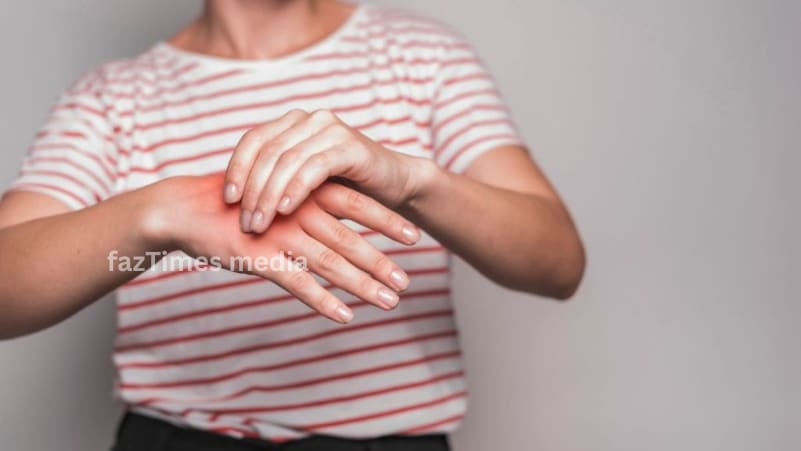
fazTimes media: July 8–New Delhi: It's often called a silent threat because it comes in without pain, warning, or big symptoms. However, fatty liver disease, particularly the non-alcoholic type (NAFLD), may not remain entirely undetected. Doctors warn that some of the first signs of a problem could be directly visible on your hands. In clinics across India and around the world, doctors are now looking more closely at changes in skin texture, color, and blood vessels, especially on the palms and fingers.
These small changes might be early signs that the liver isn't working right.
Fatty liver disease happens when too much fat builds up inside the liver. This can make it hard for the liver to do important jobs like cleaning the blood, making bile, controlling hormones, and managing how the body uses energy. In non-alcoholic fatty liver disease (NAFLD), the fat buildup isn’t from drinking alcohol. Instead, this condition is often caused by being overweight, having diabetes, not using insulin properly, or consuming unhealthy foods.
Al Jazeera Health says about 1 out of every 3 adults around the world might have NAFLD. In India, the number of people with this condition is growing quickly, especially among young people living in cities. The biggest problem is that many people don’t know they have it until it starts causing serious issues.
The Hands Tell a Story
Here are five subtle signs on the hands and skin that experts say might show problems with the liver:
Red Palms
One of the classic signs doctors watch for is when the palms, especially around the base of the thumb and the little finger, turn red. This is called palmar erythema. This condition occurs due to changes in hormones and blood flow as the liver begins to function less effectively.
“Palmar erythema doesn’t cause pain or itching, so many people don’t notice it,” says Dr. Ritesh Mehra, a liver specialist in Delhi. “But it can be an early sign of liver inflammation or stress, especially if there are other symptoms too.”
Persistent itching
Persistent itching in the hands, especially at night, can happen when bile salts build up in the blood. This shows that the liver is having trouble getting rid of waste properly. This type of itching is different from skin problems like eczema. It doesn’t usually come with a rash, but it feels deep, lasts a long time, and gets worse as days go by.
Dry or Cracked Skin
If your skin feels dry, flaky, or easily damaged, especially on your hands and arms, it might be a sign that your liver isn’t working properly. The liver is responsible for keeping and sending out fat-soluble vitamins like A, D, E, and K. When the liver is overworked, these vitamins can run low, which can cause changes in how your skin looks and feels.
Spider Angiomas (Tiny Web-like Blood Vessels)
Spider angiomas are tiny, red, web-like groups of blood vessels that show up on the hands, arms, or face. When you press on them, they usually turn pale and then return to their red color. They are typically not harmful. However, in adults, having many of these spots might be a sign of higher estrogen levels, which can happen when the liver isn't working properly.
According to a study shared by BBC News Health, people with lots of spider angiomas were more likely to have liver problems, even if they don't drink alcohol.
Clubbing of Fingers
This is when the tips of the fingers become swollen and round, and the nails curve downward. It is often linked to low oxygen levels in the blood and long-term illnesses affecting the whole body. Although it isn’t directly tied to liver problems, it can show up in severe liver disease, especially when there is cirrhosis or high pressure in the portal vein.
Why These Signs Matter
Although these symptoms may appear unrelated or insignificant individually, their occurrence together can indicate early signs of liver stress. Bad eating habits, not moving much, too much sugar, and problems with metabolism all add up to put a lot of strain on the liver over time.
Dr. Mehra says, “The liver works quietly. Often, by the time someone notices things like yellowing skin or swelling, there might already be serious damage. Catching these early signs can help people stop the problem before it gets worse.”
How Is Fatty Liver Diagnosed?
If you or someone you know is experiencing one or more of the symptoms mentioned earlier—especially if they also have risk factors like obesity, diabetes, or high cholesterol—these factors suggest a simple way to check for fatty liver:
Liver function blood tests (LFTs)
Abdominal ultrasound scan
Fibroscan (a test that checks how stiff the liver is without needing a needle)
These tests are commonly available and not very expensive.
Finding out about the condition early on can make a big difference in how well it is managed.
Can It Be Reversed? Yes, if you act early..
Unlike many long-term illnesses, early-stage fatty liver disease can be completely reversed, and often without taking medicine.
Here’s what doctors recommend:
Eat foods that are good for your liver..
Reduce your intake of sugar, processed foods, and refined carbohydrates..
Add more leafy greens, healthy fats, and fiber to your meals..
Stay active..
Try to get at least 30 minutes of moderate exercise five times a week.
Even walking every day can help lower fat in the liver.
Control your blood sugar and cholesterol levels.
Make sure your diabetes and cholesterol are managed with the right medicine and diet.
Limit alcohol and the use of over-the-counter painkillers.
Be careful with high doses of paracetamol, as it can harm your liver.
India’s Growing NAFLD Challenge
India is facing an increasing problem with a condition called NAFLD, which stands for non-alcoholic fatty liver disease. This is happening because of changes in how people live, especially in cities. More people are eating fast food, getting heavier, and not moving as much as before. These factors are making India one of the countries with the highest rates of metabolic diseases.
The Indian National Association for the Study of the Liver (INASL) reports that about 25% of adults in cities might already have fatty liver disease, and many don’t even know they have it. This is a big issue because if NAFLD isn’t treated, it can develop into a more serious condition called NASH.
NASH causes inflammation in the liver and can lead to scarring, cirrhosis, and even liver cancer.
Final Word: Listen to Your Body
Your body sends signals long before it starts shouting. For example, if you have fatty liver disease, your body might give you clues like a reddish palm, an itchy hand, or cracked skin. These might not look like typical liver symptoms, but they could be the early signs of a bigger health issue. The liver is strong, but it can't handle everything.
Paying attention to the small signs can help you catch problems early. So if your hands feel different, don't just use some cream. Instead, talk to your doctor.
fazTimes will keep sharing health stories that help people stay informed and in control. Watch out for more accessible guides on medical topics.
At FazTimes, we prioritize accuracy, confidence, and strong journalistic standards. We ensure every news story we share is real by verifying it with multiple trustworthy and independent sources.
We’ve compared this report with coverage from major news outlets around the world, including BBC News, Reuters, Bloomberg, South China Morning Post, Al Jazeera, NDTV, The Economic Times, and The Indian Express.
We are dedicated to maintaining the highest standards in global journalism so our readers can rely on the information they get.




Discussion0
Join the conversation on this story
Loading comments...