
How Often Should You Wash Your Bedsheets? Experts Explain


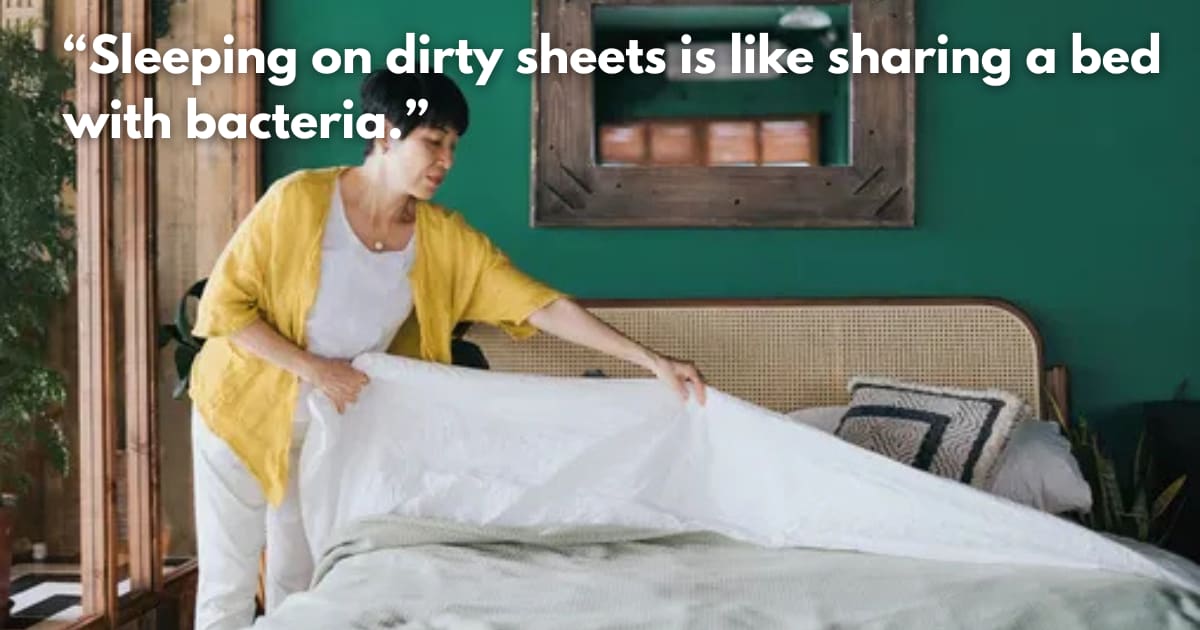

The FazTimes Media: Some people do not consider the cleanliness of their bed, despite spending nearly a third of their lives in it. Scientists say that bedsheets can gather sweat, dead skin, germs, and even tiny living things that we can't see. How often should we wash our sheets to stay healthy? That's the real question.
A lot of people say that we should clean them every week. Our beds might get dirty with germs, allergens, and skin-irritating things if we don't clean them as often. There is information on BBC News that not washing your sheets often can cause asthma, pimples, breathing issues, and even bad sleep. Could you explain why these unwanted things are drawn to bedsheets and how washing them often is good for our health?
Sheets: A Secret Place for Germs to Live
Our bodies lose a lot of skin cells every night. Our beds get dirty with these flakes, sweat, oils, and sometimes saliva or spills. While they may not seem dangerous to us, dust mites—tiny, unseen bugs—eat them all the time. It's great for dust mites that your mattress and sheets are warm and damp.
Dust mites are one of the most common home allergens, according to a study in the journal Environmental Health Perspectives. They have been linked to asthma, hay fever, and eczema. In just one week, an Al Jazeera study found that a pillowcase can hold more germs than a toilet seat. Fungi and mould can also grow on sheets that aren't cleaned often, which can happen in wet places like South Asia and the Middle East.
So, even though your bed might look comfortable, it might not be at all.
How Dirty Sheets Can Cause Skin Issues
It has always been said by doctors who study skin that old, dirty sheets can make skin problems worse.
If you don't wash your pillows and sheets often, you might get acne, blackheads, and rashes. Germs and oils that get stuck in the cloth get back on the skin every night. This can clog pores and make skin that is already sensitive feel worse.
A skin specialist named Dr Rania Hassan told The Guardian that many people don't know that their linens could be the cause of their acne or skin flare-ups. It can help reduce skin inflammation to change your sheets once a week and use cleaners that don't have strong smells, she said. If you have acne or other skin problems that make you sensitive, it's not just about feeling good to keep your sheets clean; it's also good for your health.
What You Breathe: Sheets and Your Respiratory Health
When sheets are dirty, they can hurt more than just your skin. It's also possible that your lungs are in danger. When dust mites and pollen get stuck in clothes, they can make asthma worse and cause coughs or wheezing, especially at night. These issues are more likely to happen to kids and older people, whose immune systems aren't as strong.
According to the New York Times, studies have shown that clothing can hold allergens that can lead to long-term problems like sinus issues and even make it hard to sleep. Small particles in the air can make you tired, give you headaches in the morning, or give you a sore throat over time.
Why washing once a week is a good idea
How often should you clean your sheets? Most experts say you should wash them once a week at the very least. If you sweat a lot at night, live somewhere warm and humid, or let your pets sleep on your bed, you might want to wash them twice a week.
It is important to use hot water (at least 60°C) because it kills bacteria, fungi, and dust mites that might be able to live in cold water. Doctors say that people with sensitive skin should use mild soaps that don't have scents to keep their skin from getting irritated.
You should also remember to bring pillows, blankets, and comforters. You might not need to deep clean your pillows very often—every few months at most—but you should wash their covers every week with your sheets.
Hygiene After the Wash
It's important to wash your sheets once a week, but there are other ways to keep your bedroom clean and healthy.
Sleep experts have come up with these ideas:
Each day, let your bed dry out by taking off the sheets for a short time in the morning.
Bugs and germs can get into your bed if you eat in it.
Before bed, take a shower. This will keep sweat and dirt from getting on your sheets.
Protect your mattress. They keep sweat and dust mites out.
Pets can bring in hair, dirt, and other things that can make allergies worse, so keep them away from your bed.
These easy steps can help you sleep better, keep your bed clean, and lower your risk of getting sick.
From a psychological point of view, clean sheets mean better sleep.
Clean bedding is good for more than just your body. The smell of new sheets is said to make people feel better. The National Sleep Foundation in the US did a study that showed people who slept on clean sheets slept better and felt more awake in the morning.
The sleep expert Professor Matthew Walker told BBC News, "Getting into a clean bed gives you a sense of comfort and calm that helps you sleep better." "It's not enough to just be clean; you need to make sure you have a good place to rest."
Different ways of life around the world
Interestingly, people in different parts of the world can wash their sheets in different ways. It's common to wash sheets once a week in many Western homes. In other Asian and Middle Eastern places, though, sheets may only be changed every two to three weeks. Often, this is because of how people live, how much water is nearby, or old customs.
But now that people are more aware of how to keep things clean, especially after the COVID-19 pandemic, more families are paying attention to where their kids sleep. Health experts believe that this change will make everyone wash their sheets more often.
What It Costs to Ignore
If you don't wash your sheets once a week, it might not seem like a big deal, but it can build up over time. Not keeping your bedding clean can cost you more money on things like skincare items, asthma medicine, or allergy treatments. They've known this for a long time. To stop the spread of infections, the World Health Organisation (WHO) has rules about how to wash clothes the right way. The idea is the same whether you're in a hospital or not: clean beds keep germs away, which lowers your risk of getting sick.
Last Thoughts: An Easy Way to Improve Your Health
When you get down to it, washing your sheets might seem like a simple task, but it's really bad for your health. It can help with things like getting rid of acne and allergies, sleeping better, and breathing better. Of course, the pros are clear. If you put off washing your clothes, remember that you're not just putting off a job; you're also letting dust mites, bacteria, and allergens into the most private part of your home.
BBC News said, "A clean bed is not just a nice thing to have; it's a key to better health." Just wash your sheets once a week. It's one of the easiest things you can do to improve your health.
Our primary goals at FazTimes Media are to be accurate and confident and adhere to the highest journalistic standards. We check every news story we share against several trustworthy and separate sources to ensure its accuracy.
We have reviewed this report, along with articles from major news outlets worldwide, including BBC News, Reuters, Bloomberg, Al Jazeera, NDTV, The Economic Times, and The Indian Express.
We want to keep the highest standards in global journalism so that our readers can trust the information they acquire.




Discussion0
Join the conversation on this story
Loading comments...