
India's Fast Bowling Crisis: A "Big Black Hole" After Bumrah & Siraj
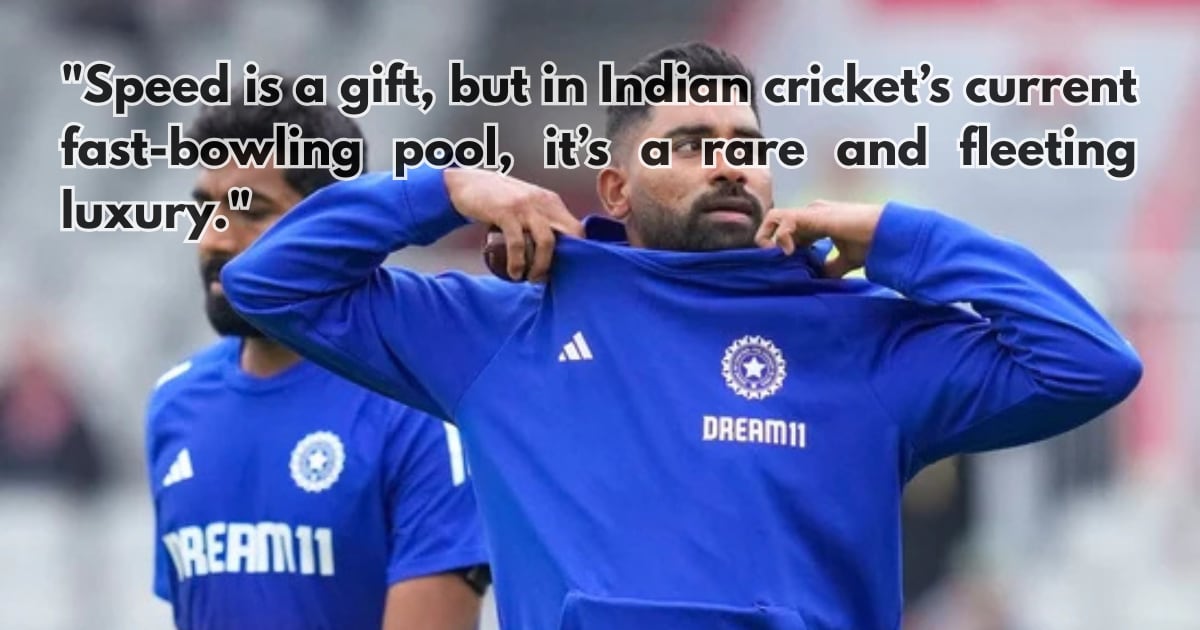

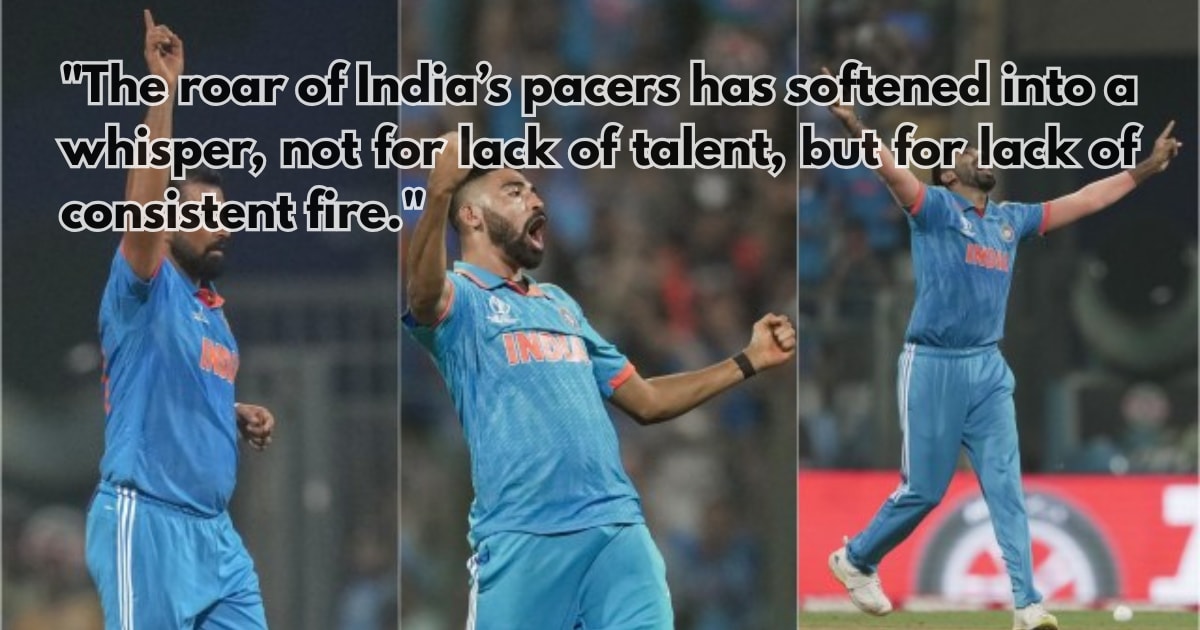


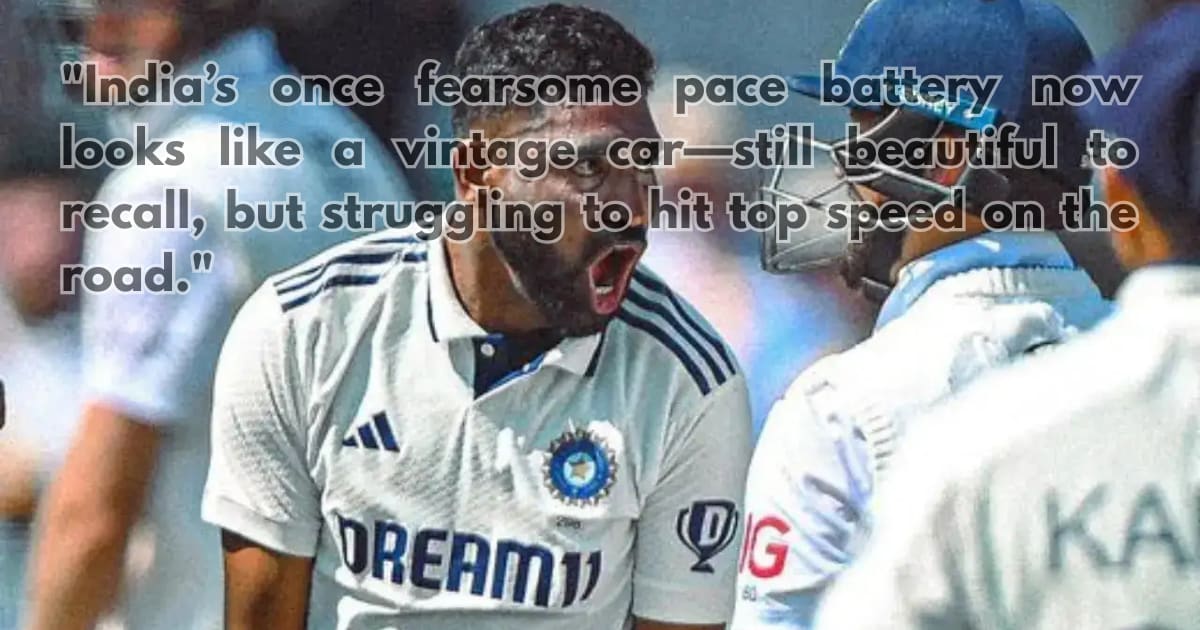
FazTimes Media, Sports: Just a few weeks ago, Indian cricket fans were thrilled to say that their team had one of the best fast-bowling teams in the world. Here are the names of those smart players of our nation: Ishant Sharma, Mohammed Shami, Umesh Yadav, Jasprit Bumrah, and Mohammed Siraj were all as good as Australia's famous trio of Mitchell Starc, Pat Cummins, and Josh Hazlewood when they were at their greatest. People also reminisced about the great fast bowlers from the West Indies in the 1980s.
The plan was straightforward: in every Test match, no matter what, get 20 wickets. Virat Kohli, who used to be captain, and Bharat Arun, who was a bowling coach, came up with this idea, which became India's main Test plan. They did well—they won a series abroad, their quick bowling scared the best batters, and they proved they could beat any team, anywhere.
But those good times seem to be coming to an end now. India's fast-bowling team doesn't look as formidable as it did before Kohli quit as captain and Bharat Arun stopped coaching.
What happened to Anshul Kamboj makes the situation clear. He was chosen for the team because he played well in local cricket, but his speed dropped in Test matches, which are played under a lot of pressure.
Getting fewer smart people
Umran Malik used to be thought of as India's fastest bowler after a fantastic game, but his form and speed have both dropped, which is worrying. Khaleel Ahmed hasn't played in an international game since the middle of 2024. Mukesh Kumar has rarely been included in the starting eleven, despite being part of many teams.
Basically, there is a big difference between being ready and being able to do something. Siraj and Bumrah are still outstanding leaders, but the next generation doesn't seem ready for the constant demands of Test cricket, like bowling for long periods of time at speeds above 140 km/h and adapting to different conditions around the world.
The Problem with Coaching
Changes in teaching methods, according to some experts, have impacted the results. The focus was on helping each player grow when Bharat Arun was in charge. The strategy included helping them improve their skills and handle their tasks, which made the bowlers do better. Since Bharat Arun left, new bowlers have taken much longer to transition from playing cricket in their home countries to competing internationally.
BBC Sport reported that many former players have requested the BCCI to establish a fast-bowling academy similar to the MRF Pace Foundation, but with a more direct connection to the national team.
The Pace Dilemma in Domestic Cricket
The slow pace is also due to the way local games are played. Many of the pitches in the Ranji Trophy are good for spinning, which means fast bowlers need to use older balls or play defence more. This process doesn't help them get ready for Test matches in other countries, where speed and bounce are important.
Getting Ideas from other nations' players' activities
A long time ago, fast bowlers in places in Australia were switched out. This incident helps them avoid injuries and extends their lives. England tries to have many good fast bowlers so that they can deal with injuries without losing their form.
Al Jazeera reports that experts believe India's challenge is not only attracting talented players but also ensuring they remain focused and on track. Many young fast bowlers fail due to inadequate job handling skills or unresolved technical issues.
The Path Forward
To get back to being the best, Indian fast bowlers need to do the following:
Customised Fitness Programmes: It's very important to put injury prevention first by making sure that each bowler has a training plan which works for them.
Good surfaces for speed in home competitions – Making the pitch faster-friendly can help fast bowlers get better.
A Global Reach for Up-and-Coming Pacers— Young, quick bowlers can get better at playing cricket at a higher level if they get to play with the A team and go to international camps frequently.
Clear communication from the judges is essential; Harshit Rana and other young bowlers need to understand the reasons behind their selection or non-selection. Assistance from former professional bowlers, who can teach the young players, could help them improve more quickly.
A tough problem that can be fixed
Despite current challenges, there remains hope. India has some young fast bowlers who could be excellent. They just need help and care. Arshdeep Singh, Harshit Rana, and Umran Malik (if he gets back to his best) could be crucial soon. But they might not do as well as they could if they don't have a clear plan.
Our primary goals at FazTimes Media are to be accurate and confident and adhere to the highest journalistic standards. We check every news story we share against several trustworthy and separate sources to ensure its accuracy.
We have read this report along with articles from major news outlets throughout the world, including BBC News, Reuters, Bloomberg, Al Jazeera, NDTV, The Economic Times, and The Indian Express.
We want to keep the highest standards in global journalism so that our readers can trust the information they acquire.


Discussion0
Join the conversation on this story
Loading comments...