
India-US Mini Trade Deal Nears: 48 Hours to Avoid Tariffs, India Pushes Concessions
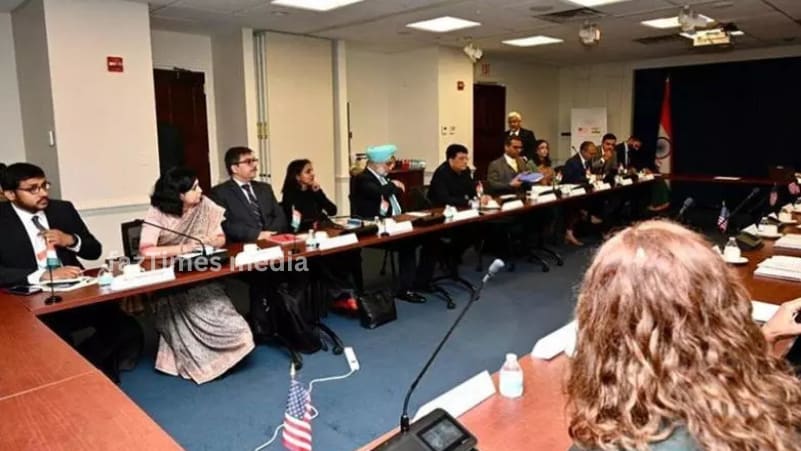
FazTimes media: Washington, D.C./New Delhi— India and the United States are working hard to finish a small trade agreement within the next 48 hours, according to NDTV. This agreement could stop the US from putting new tariffs on Indian products. It's an important step to improve their economic relationship, which has had some problems with trade disagreements and protectionist policies. As President Donald Trump approaches his deadline for reinstating tariffs, both sides are having more talks in Washington to fix the remaining issues.
Reports say the Indian team, which was supposed to leave earlier this week, has stayed longer to make sure the deal is done on time.
Why This Deal Matters
Trade between India and the US reached over $120 billion in 2024, making the US India's biggest trading partner. However, several problems, like tariffs, difficulty entering the US market, and rules that make trade harder, have stopped the relationship from growing as much as it could.
Al Jazeera reports that both countries view this small deal as a fresh start for their trade plans, following years of delays. They hope it will lead to a bigger agreement in the future. Indian businesses, especially in areas like clothing, leather, and manufactured goods, see the transaction as a chance to get back on track and grow again.
Ajay Sahai, CEO of the Federation of Indian Export Organizations (FIEO), said, “We think that once the temporary India-US trade deal is done, Indian exports to the US could almost double within the next three years.”
What's on the table?
At the center of the talks is a shared wish to lower trade barriers, improve market opportunities, and make rules clearer. However, both countries still disagree on some key topics.
Genetically Modified Crops
The US wants India to allow more imports of genetically modified (GM) crops, saying it's necessary for “science-based rules” and food security.
India is not changing its position and says that bringing in GM crops might hurt small farmers and put food safety at risk.
Access to the agriculture and Dairy Sectors
Besides GM crops, the US is asking for more entry into India’s agriculture and dairy markets, which are usually shielded because they are important for rural jobs. India is worried that giving in too much could lead to price drops, angry protests from farmers, and lower food quality.
“A senior official told NDTV that India is not ready to accept these demands,” the official said, adding that the focus is on “food security and protecting livelihoods.”
US President Donald Trump, speaking to reporters on Tuesday, showed cautious hope about the deal while also being unhappy with India's trade barriers. He said, I think we are going to have a deal with India. It will be a different type of deal with significantly lower tariffs. He added, "Currently, India does not allow any foreign entities to enter its market, but I think India is going to do that."
Trump has long criticized India’s tariff system as one of the highest among US trading partners. His administration paused tariff increases last year after agreeing to look into a smaller deal, but that pause ends on July 9, putting more pressure on both sides to move quickly.
Local Industry Reacts
The Indian industry has welcomed the discussions but is asking for careful consideration. Small and medium-sized businesses (SMEs), which make up about 45% of India's exports, are worried that any agreement could hurt local production.
Anjali Deshpande, a textile exporter from Mumbai, said, Any trade deal needs to protect India’s key industries while giving fair chances to Indian products in the US market.
Plans for a More Thorough Agreement
In 2020, India left the Regional Comprehensive Economic Partnership (RCEP) because it didn’t feel the terms were fair. Now, many experts think a focused trade deal with the US could be a better option for India.
India and the US have different strengths.
India doesn’t have much oil or technology, but the US can help with those. On the other hand, the US needs things like textiles, medicines, and computer services, which India has a lot of. “This agreement, even though it covers only a few areas, shows that both countries are willing to work together,” said Prof. Ravi Srinivasan, an economics expert at JNU.
Sticking points remain.
Although there is some hope, it does not guarantee that an agreement will be reached. The talks need to settle big disagreements in just two days, and pressure from home politics could make things harder. For India, with elections planned for 2029, any move that seems like a concession on rural issues might cause problems.
Conclusion: A Deal Within Reach?
The next 48 hours are crucial. If India and the US can agree on key points, this smaller trade deal might lead to more cooperation, help investors feel more confident, and show the way for bigger economic partnerships.
However, progress requires a balanced approach, a willingness to compromise, and a robust political commitment.
As Indian representatives want tax breaks for industries that create jobs and US officials want better access to India's agricultural market, the result will depend on who makes the biggest concessions and how well they protect their country's interests.
A senior trade expert said, “This deal is not just about taxes or trade numbers. It's about building trust and planning for the future of India-US relations.”
At FazTimes, we prioritize accuracy, credibility, and journalistic integrity. Every piece of news we publish is thoroughly verified through multiple trusted and independent sources.
This report has been cross-referenced with coverage from globally recognized news organizations, including BBC News, Reuters, Bloomberg, South China Morning Post, Al Jazeera, NDTV, The Economic Times, and The Indian Express, and we are committed to upholding the highest standards in global journalism to ensure our readers receive reliable and fact-checked information.






Discussion0
Join the conversation on this story
Loading comments...