
Sports
Is the India-Pakistan Cricket Rivalry Fading?
By Saquib Ansari
Published: Sep 15, 2025, 02:43 PM
Last updated: Sep 15, 2025, 04:03 PM

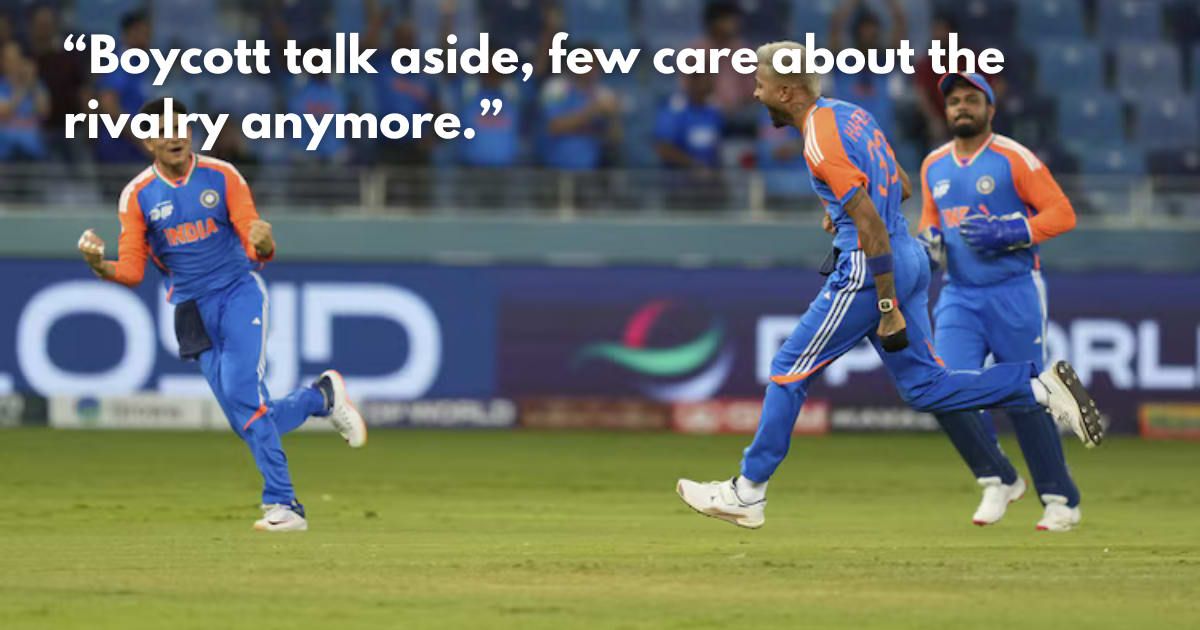
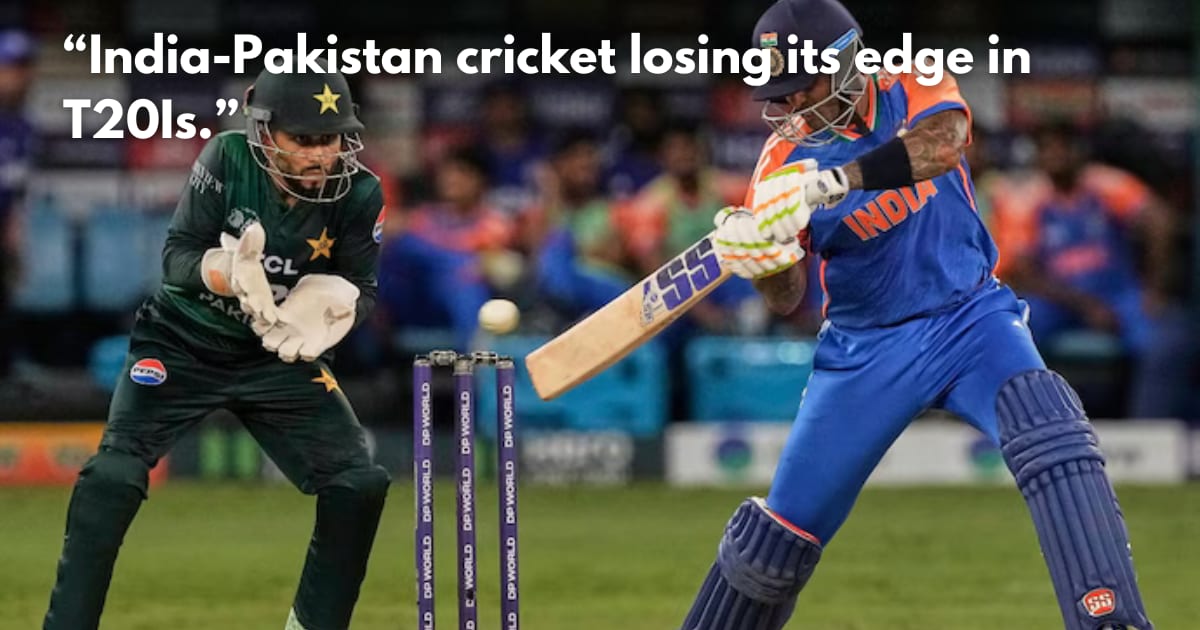
FazTimes Media, New Delhi: For many years, cricket lovers in South Asia eagerly awaited the intense excitement of an India–Pakistan match. People would leave their homes, TVs would be turned on, and even those who didn’t usually watch cricket would start acting like experts. But things are different now. On Sunday, during the Asia Cup T20 game in Colombo, India won comfortably, showing how the rivalry has changed.
Pakistan scored 127 runs, and India chased it down in just 15.5 overs. Matches that were once called “the mother of all battles” now feel like something else entirely.
The India–Pakistan rivalry has always meant more than just the game. It’s been shaped by history and politics, making every match feel like a contest of pride. Moments like Javed Miandad hitting a six on the last ball in Sharjah or Sachin Tendulkar’s famous uppercut at Centurion became memories that fans still talk about. These matches were big events, bigger than any other in the world.
BBC News reports that the audience for an India–Pakistan World Cup match is often larger than that of the Super Bowl. For TV channels, these games were always a big deal. But what happens when the excitement is gone and the result seems certain?
Sunday’s Match: A Symbol of the Decline in Cricket’s Greatest Rivalry
Sunday’s game showed a lot. Pakistan’s batting was old-fashioned, uncertain, and filled with bad shot choices. Meanwhile, India’s fast bowlers and spinners were sharp and aggressive, and Pakistan couldn’t handle the pressure.
When chasing 128, India played like it was just a practice match. The top order looked confident, almost like they were playing in a net. The 15.5-over chase wasn’t just about winning—it showed a bigger gap in skills, tactics, and confidence.
One commentator joked, “Pakistan showed up to an F1 race with a bullock cart,” highlighting the big difference between the teams.
Do Fans Still Care? Shifting Loyalties and Fading Passion
There’s a big question here: if matches between India and Pakistan are always one-sided, do fans still care about the game?
For a lot of people, the thrill has gone. On social media, funny posts about Pakistan’s struggles often get more attention than the actual games. The matches no longer have that surprise factor that used to keep people watching closely.
Rohit Verma, a fan from Delhi, said, “Earlier, we watched with our hearts in our mouths. Now we just expect India to win.” Similar feelings are shared in Lahore and Karachi, where disappointment has taken the place of pride.
As BBC Sport noted, younger fans today might never experience the same kind of excitement their parents did when India and Pakistan were evenly matched.
Politics, Boycotts, and the Future of the Fixture: When the Game Isn’t Just a Game
Cricket isn’t the only thing affecting the rivalry. Politics still plays a major role. Tournaments like the Asia Cup often become debates about boycotts, security, and where matches are held. This has taken away some of the excitement.
When the relationship between India and Pakistan is tense, as it has been for many years, there are no bilateral series. Matches only happen in bigger tournaments, making them less frequent and less meaningful. A columnist for The Hindu wrote, “Boycott or not, the truth is the rivalry has lost its competitive edge.”
What This Means for the Rivalry: A Legacy Hanging in the Balance
The India–Pakistan rivalry might never lose its symbolic importance. Political history means that every time the two teams play, there will be emotion and story. But in terms of sport, it risks becoming boring if there’s no real competition.
They want last-over finishes, not just chasing a target in 15 overs. If Pakistan doesn’t improve, the rivalry might just be a name without the real spirit.
Conclusion: A Rivalry at the Crossroads, Searching for Renewal
Sunday’s Asia Cup match was more than just a game—it showed how far apart the two neighbouring cricket teams have become. As Al Jazeera said, “The rivalry remains politically charged, but on the pitch, it is becoming more predictable.”
For millions who grew up seeing an India–Pakistan match as the best in cricket, this change feels both sad and disappointing. Rivalries work best when both sides are evenly matched, and without that balance, the excitement starts to fade.
So, whether people boycott the matches or not, one thing is clear: in cricket terms, not as many people care about India vs Pakistan anymore—at least until Pakistan can win back the interest and the fight.
Our primary goals at FazTimes Media are to be accurate and confident and adhere to the highest journalistic standards. We check every news story we share against several trustworthy and separate sources to ensure its accuracy.
We have reviewed this report, along with articles from major news outlets worldwide, including BBC News, Reuters, Bloomberg, Al Jazeera, NDTV, The Economic Times, and The Indian Express.
We want to keep the highest standards in global journalism so that our readers can trust the information they acquire.
Link:
https://www.faztimesmedia.com/viewpost/is-the-india-pakistan-cricket-rivalry-fading


Discussion0
Join the conversation on this story
Loading comments...