
Kerala's Healthcare Crisis: Why Dr. Haris's Outburst Was No Surprise
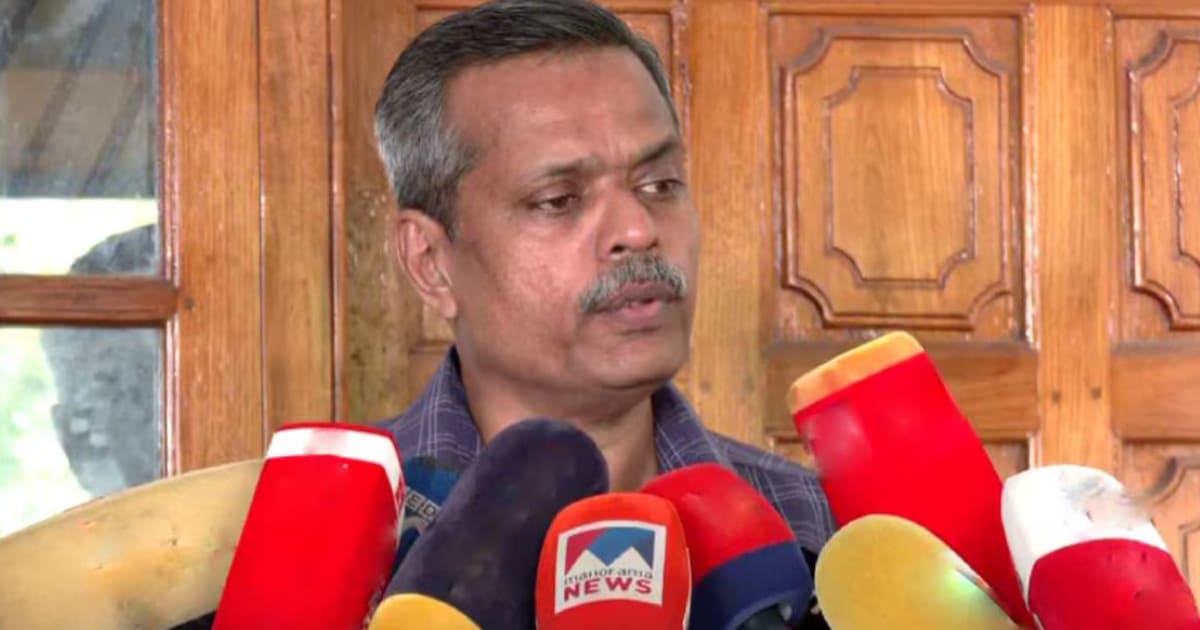
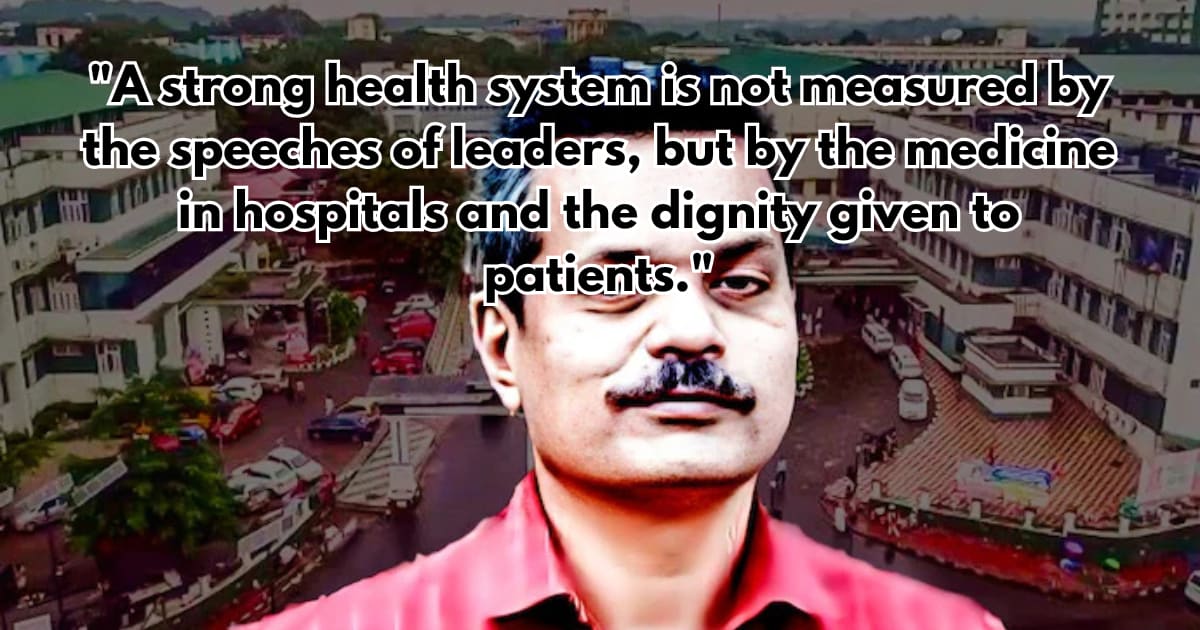
FazTimes Media, Thiruvananthapuram: Dr Haris's recent discussions on social media about the shortage of basic medical supplies have created a big political issue in Kerala. Some people see his comments as a challenge to the government's claims about how well they are handling things. But the situation is more complicated than that. Al Jazeera reported that the government had officially noted problems in Kerala's public health system long before Dr Haris made his comments.
Dr Haris had already issued an official warning.
The State Assembly got a report from the Comptroller and Auditor General of India (CAG) in January 2025 about how well public health infrastructure and health services are run.
The results showed a serious problem:
There were not enough specialist doctors, family health centres were not properly equipped, outpatient departments had too few staff, important medicines were in short supply, and buildings in many areas were in bad condition.
The audit also revealed significant delays and issues, confirming many of Dr Haris's subsequent concerns. However, when these issues were discussed in the Assembly, the Chief Minister did not publicly say the report was part of a plan to damage the state's reputation.
Delayed medications—some even expired
One of the biggest problems found during the audit was the long delays in getting important medicines. 81.84% of the ordered drugs—2,975 out of 3,635—did not arrive on time from 2016–17 to 2021–22. In some cases, the delay was as long as 988 days, which left patients without the treatments they needed.
Worse still, the audit found 60 cases in 26 government hospitals—including smaller clinics, district hospitals, and medical colleges—where the medicines given to patients had already gone bad before they were used. These mistakes aren’t just small errors; they can be very dangerous for patients.
The audit also assessed the facilities' compliance with the Indian Public Health Standards (IPHS), revealing unsatisfactory results. It found that district hospitals in Nedumangad, Neyyattinkara (Thiruvananthapuram), and Kalpetta (Wayanad) were missing important diagnostic tools. Seven taluk hospitals lacked even a basic endoscopy machine, essential for diagnosing issues in the stomach and intestines.
Additionally, there were significant delays in acquiring important medical equipment. The audit found that some devices took three to nine years to be obtained. In some cases, equipment remained unused for years because parts were broken, there was no proper maintenance, or there was no trained staff to use it.
The Case of Thiruvananthapuram Medical College
Thiruvananthapuram Medical College, which is the top medical college in the state and where Dr Haris works, was shown in the audit as a bad example of how equipment is managed.
The audit identified the following issues:
A high-end bronchoscope, crucial for assessing lung problems, sustained damage in 2016 and has remained unusable since.
In 2018, the oxygen sensor in a cardiopulmonary exercise test (CPET) machine broke down, and the machine has not been used since then.
A machine used to treat sleep apnoea has not worked for more than three years because the repair cost was ₹70,000, which the hospital thought was too high.
These problems are recurring and not isolated incidents. They show there are bigger problems with how the healthcare system in the state is run.
The Controversy Around Buying COVID-19 PPE Kits
Although the CAG report found many problems in the system, one issue got a lot of media attention: possible problems in buying PPE kits during the worst part of the COVID-19 outbreak.
Public Perception and Political Implications
The situation is quite strange. When the serious findings from the audit came out, the government didn’t react the way it did to Dr Haris’s comments on social media. His emotions, though personal, showed a lot of what had already been officially noted in reports.
An audit report, even if it’s severe, is usually written in official language. But a strong social media message can connect more directly with people’s feelings, which makes it a bigger political issue.
According to BBC News, people who speak out about problems in India's public health system often get criticised instead of helped.
Our primary goals at FazTimes Media are to be accurate and confident and adhere to the highest journalistic standards. We check every news story we share with a number of trustworthy and separate sources to make sure it's true.
We have read this report along with articles from major news outlets throughout the world, including BBC News, Reuters, Bloomberg, Al Jazeera, NDTV, The Economic Times, and The Indian Express.
We want to keep the highest standards in global journalism so that our readers can trust the information they acquire.





Discussion0
Join the conversation on this story
Loading comments...