
Kuwait Bans Public Healthcare for Visit Visa Holders
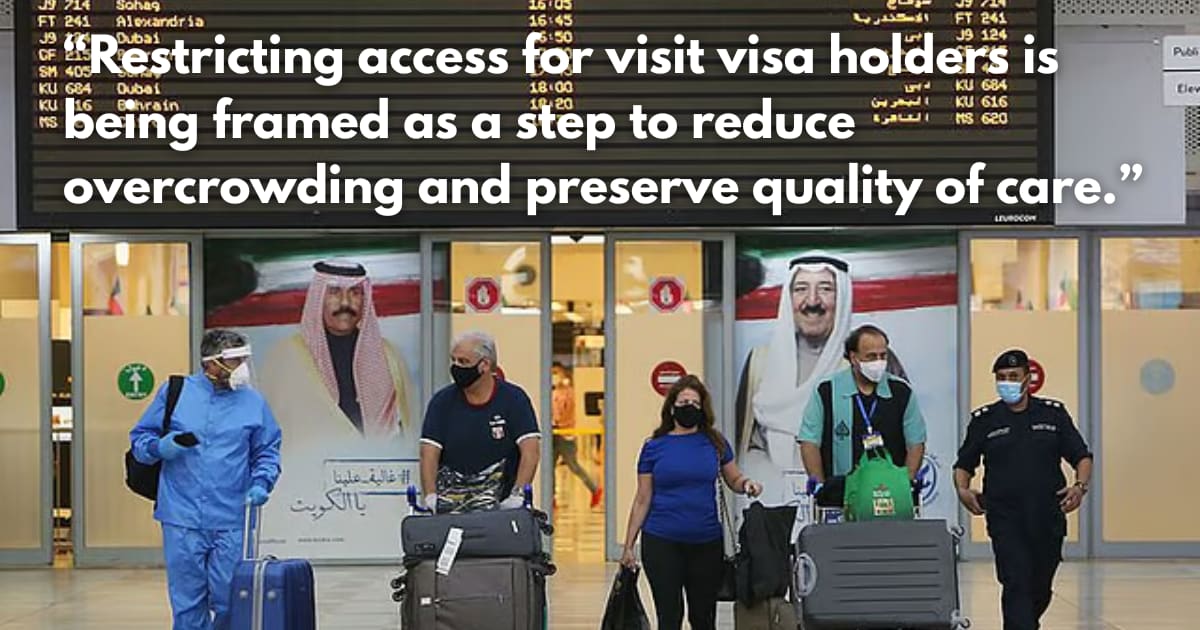

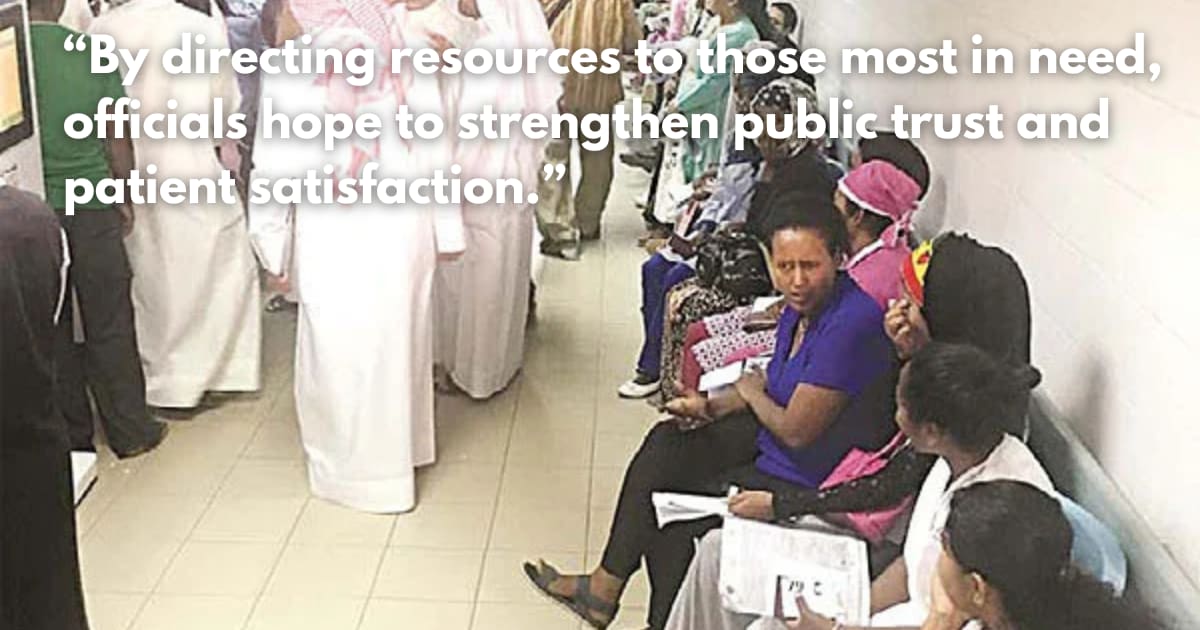
FazTimes Media: Kuwait has recently made a big change in its healthcare rules. Now, people who come to the country on temporary or visitor visas won’t be able to use public healthcare services. The Ministry of Health said the restriction applies to all public hospitals, primary health centres, and special medical facilities. This means government-funded healthcare will only be available to citizens and people who are officially registered to live in the country.
Officials say this change is part of a bigger plan to improve the country’s healthcare system. According to Al Jazeera, Health Minister Dr Ahmad Al Awadhi said the decision was needed to “keep healthcare resources running smoothly” and to make sure that citizens and legal residents get the care they need first.
Why This Policy Matters
The government primarily funds healthcare in Kuwait, enabling citizens to access most services at minimal or no cost. Expatriates also get care at lower prices than what is usually charged in other countries.
Who Will Be Affected?
This new rule affects:
Tourists who come to Kuwait for a short time
Business travellers who enter with temporary visas
Family members of expatriates who visit for a short period
People who come for medical treatment but don’t have long-term residency
Private hospitals and clinics will now serve these individuals instead of public ones. Private healthcare in Kuwait is excellent, but it is much pricier than government-run services. For example, a citizen might pay just a small amount for a doctor’s visit, but a private clinic could charge many times more for the same service.
The Bigger Picture: Healthcare Challenges in the Gulf
Kuwait has been discussing for a long time how to handle the large number of expatriates while keeping government-funded healthcare services limited. In Saudi Arabia and the UAE, expatriates usually depend on mandatory health insurance provided by their employers. Visitors to these countries are often required to have travel or health insurance before they arrive, so they don't place a burden on the public healthcare system.
Therefore, many view Kuwait's new policy as a component of a regional initiative to transform healthcare accessibility.
Reactions from the Public
Kuwaiti Citizens: Many Kuwaitis express satisfaction with the decision, citing its long-overdue necessity.
Abdulrahman, a resident of Kuwait City, stated, "Our hospitals were always full, and sometimes even we had to wait for hours." “This will finally help reduce the pressure.”
Expatriates: However, some expats worry the change might stop family visits. “My parents come every year to stay with us for a month,” shared Maria, a Filipino nurse. “Now, I will need to get private insurance for them, which will cost more.”
Human Rights Advocates: Some critics say emergencies don’t care if you're a citizen or a visitor. They worry that limiting access could put lives in danger if a visitor gets sick and can't afford private treatment. Some medical experts have suggested setting up separate emergency care for visitors to prevent adverse outcomes.
What Visitors Need to Do Now
Travel experts recommend that anyone planning to visit Kuwait should have good travel health insurance before they arrive:
Emergency hospitalisation
Routine check-ups if needed
Medicines and diagnostic tests
Repatriation in case of serious illness
Private hospitals in Kuwait are well-known for excellent care, but without insurance, the costs can be very high. For example, an emergency surgery can cost thousands of dollars if it's not covered. Kuwait is also working on making its medical facilities bigger and better. Alongside a controversial decision, the country is moving forward with plans to expand its healthcare services.
Recently, Dr Al Awadhi talked to people living in and representatives from the Ahmadi area to discuss turning it into a full medical city. At the same time, work is continuing on the large Sabah Al Ahmad Medical City project, which is meant to be one of the biggest healthcare centres in the region.
Gulf News reports that these projects are part of Kuwait’s plans to rely less on foreign medical assistance and become a major healthcare centre in the area. Experts believe that financial considerations are a significant factor influencing this decision. Kuwait spends a lot each year on healthcare, and with oil money changing, the government is trying to save money without lowering the quality of healthcare.
Dr Sameer Khan, a health expert in Dubai, said, “Limiting public healthcare for visitors is a way to save money, but Kuwait needs to make sure that emergencies are taken care of fairly, or it could face severe criticism from around the world.”
Conversely, some experts view this situation as an opportunity. Dr Aisha Al Mutairi, a public health researcher, mentioned, “This could help grow the private healthcare sector in Kuwait. Insurance companies and private hospitals might see more customers, which could lead to better competition and better care.”
In short, Kuwait’s decision to stop public healthcare for people with visit visas is a big move that shows both the pressure on the national system and the government’s effort to protect it for its people and residents.
Our primary goals at FazTimes Media are to be accurate and confident and adhere to the highest journalistic standards. We check every news story we share against several trustworthy and separate sources to ensure its accuracy.
We have reviewed this report, along with articles from major news outlets worldwide, including BBC News, Reuters, Bloomberg, Al Jazeera, NDTV, The Economic Times, and The Indian Express.
We want to keep the highest standards in global journalism so that our readers can trust the information they acquire.





Discussion0
Join the conversation on this story
Loading comments...