
Oil Prices Spike as Israel Strikes Iran Gas Field; Strait of Hormuz Fears Rise
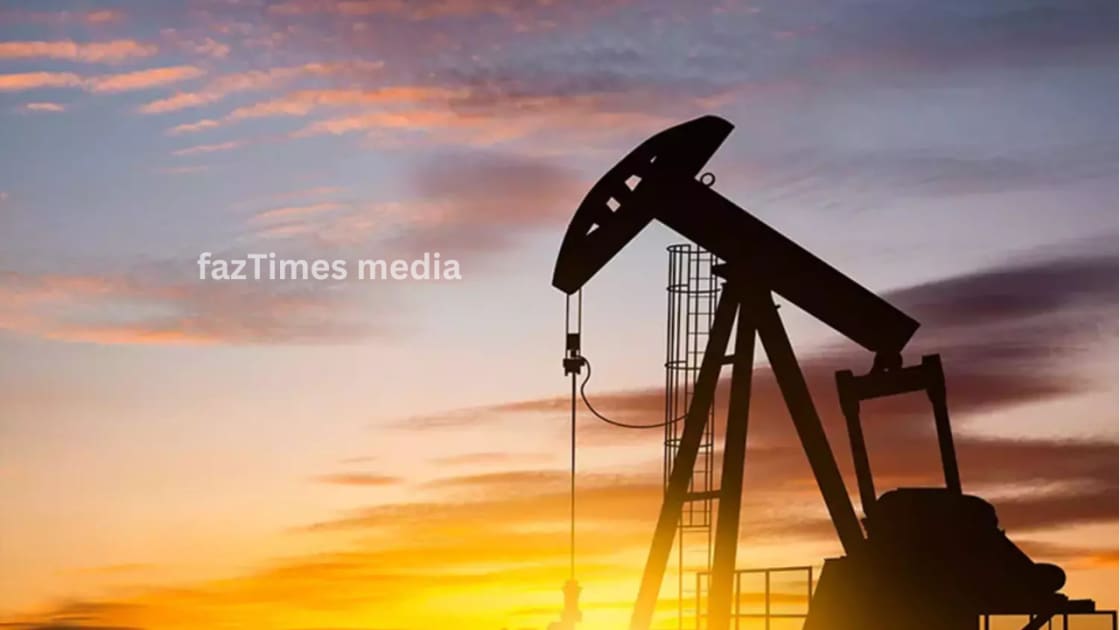
fazTimes media: Delhi— As the sun rose over worldwide markets on Monday, oil dealers were, as of now, on edge. A sudden spike in Brent crude prices, jumping 5.5% in early trading, was the most recent swell from yet another acceleration within the Middle East. This time, the trigger was an Israeli strike on Iran’s South Pars gas field, one of the biggest in the world, sending shockwaves through the as of now tense locale and reigniting concerns over energy security around the world.
The cost of Brent unrefined, the worldwide benchmark for oil, drifted around $75 per barrel after the beginning bounce. Although not the most noteworthy seen in a long time, the surge has drawn attention from policymakers, investigators, and ordinary citizens alike, particularly in nations like India, which intensely depend on imported oil.
What Started the Cost Surge?
The struggle between Israel and Iran has been stewing for a long time, but the most recent acceleration has brought new direness. Reports affirmed that Israeli forces focused on Iran’s South Pars gas field, disturbing operations at one of the Middle East’s key energy facilities.
This strike comes at a time when pressures are, as of now, high due to continuous atomic negotiations between Iran and Western powers. Iran, irritated by the assault, has warned of countering, not just against Israel but, moreover, possibly against US military bases in Iraq and the Persian Gulf locale. In reaction, the United States has started a cautious withdrawal of a few political and military personnel, signaling concern over the situation’s capriciousness.
Why Does This Matter to India?
India imports over 85% of its unrefined oil, with a noteworthy parcel coming from the Middle East. Any disturbance within the locale can have a coordinated effect on fuel costs here at home. Higher worldwide oil costs are cruel. Indian refineries pay more, and in the long run, buyers feel the squeeze at the petrol pump, within the cost of goods, and in general, swelling.
“This isn’t a fair geopolitical issue; it hits the common man directly,” says Dr. Ramesh Kale, a financial specialist based in Mumbai. “When oil costs rise, transport gets to be costlier, which pushes up the prices of everything from vegetables to school supplies.”
An Unstable but Strong Advertisement
In spite of the sensational features, vitality investigators caution against freezing. According to Norbert Rucker, Head of Financial Matters and Another Era Inquire About at Swiss venture firm Julius Baer, the oil showcase has ended up stronger over a long time.
“Oil costs are like a fever; they reflect the escalation of a crisis,” Rucker said. “We usually accept a transitory spike. Unless key shipping courses are blocked or assaults on foundation increment, the showcase ought to stabilize.”
Rucker includes that in comparable past occasions, oil costs ordinarily spike for a brief time, some time recently settling down. Truly, such cost surges last around three months, with increments more often than not not surpassing 20%.
The Chokepoint That Seems to Alter Everything
Much of the concern presently centers on the Strait of Hormuz, a contract section between Iran and Oman through which over 20 million barrels of oil are transported every day. This incorporates trades from Saudi Arabia, Iraq, Kuwait, and the United Arab Emirates.
Iran has repeatedly undermined the peace of this crucial shipping route amid times of struggle. In case that were to happen, specialists say the effect would be quick and serious. “Blocking the Strait of Hormuz may be a worst-case scenario,” says Anjali Mehra, an oil advertisement examiner based in Delhi. “It would send oil costs skyrocketing, disturb worldwide shipping, and possibly drive numerous economies into crisis.”
India’s Vital Powerlessness
India’s vital security is profoundly tied to Central Asia's stability. Iran alone produces almost 3.3 million barrels of oil per day, sending out 1.5 million barrels, for the most part to China and Turkey. Whereas India has diminished its oil imports from Iran due to US sanctions in the latter years of a long time, any strife within the locale influences all oil producers and, by extension, oil costs all-inclusive.
With the current account as of now under strain and inflationary weights mounting, another oil shock would challenge India’s financial recuperation post-pandemic. A powerless rupee, rising fuel prices, and an expanding monetary shortfall seem to end up as genuine concerns in case oil prices continue to rise.
How Are Indian Customers Responding?
At petrol stations all over India, the effect may not be quick, but it is approaching. For the present, household oil companies are absorbing a few of the cost rises. Be that as it may, in case Brent crude remains lifted for long, the costs will likely be passed down to customers.
“I utilize my bicycle for food deliveries, and indeed, a little rise in petrol costs influences my income,” says Ravi Kumar, a conveyance specialist in Noida. “If fuel gets to be more costly, my profit goes down. But the app companies don’t increase our pay.” For middle-class families, as of now, budgeting firmly, a supported increment in fuel costs seems cruel, cutting back on basics, or postponing purchases.
What Can India Do?
India has made endeavors to construct key oil reserves and broaden its energy sources. It has also contributed to renewable vitality, pointing to diminished reliance on imported fossil fuels. But within the brief term, there are a few speedy fixes.
“India’s best choice right now is diplomatic,” says former minister T.P. Sinha. “New Delhi ought to thrust for de-escalation through backchannel talks with Inlet partners and advocate for peace in multilateral forums.” Financially, the government may consider transitory tax alterations or endowments to mitigate the blow on shoppers. Be that as it may, these measures come at a cost and are not feasible on the off chance that oil costs remain high for long.
Looking Ahead: The Greater Picture
This emergency raises a basic question: How long can worldwide energy security stay prisoner to geopolitical pressures? The world’s reliance on fossil fuels, especially from unstable regions, makes markets powerless. Whereas the thrust toward electric vehicles and green vitality proceeds, the move is far from total.
As for India, specialists say the nation has to scale up investments in the residential energy infrastructure, accelerate the transition to clean energy, and lock in more effectively in global energy efficiency. “This won’t be the final strife within the Middle East, and it won’t be the final oil cost shock,” says Dr. Kale. “India must prepare, not just react.”
Conclusion
The rise in oil costs taking place after the Israel-Iran tensions may be a wake-up call. Whereas markets may stabilize, the helplessness remains. For India, the stakes are high, not just at the pump, but over the whole economy. As geopolitical chess diversions play out in far-off deserts, the swell impacts are being felt in each Indian family, reminding us that in today’s world, worldwide occasions are never remote from domestic.
Stay with fazTimes for real-time updates, analysis, and ground reports on the unfolding situation in the Middle East.






Discussion0
Join the conversation on this story
Loading comments...