
US General Praises Pakistan's 'Phenomenal' Counterterrorism Efforts, Despite India's Concerns
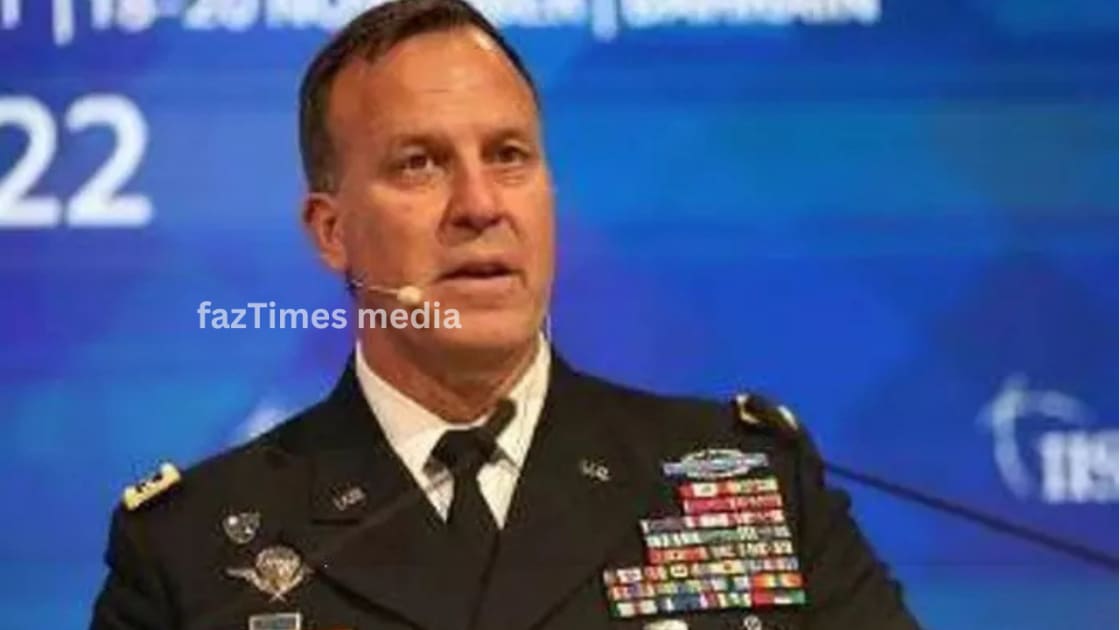
fazTimes media: In the complex and ever-shifting landscape of global security, relationships between nations often define how threats are addressed and how peace is preserved. A recent statement by General Michael Kurilla, the Commander of the United States Central Command (Centcom), has brought Pakistan’s role in global counterterrorism efforts into sharp focus. Calling Pakistan a “phenomenal partner in the counterterrorism world,” General Kurilla’s words offer insight into a critical yet often controversial aspect of international relations in South Asia. So, what makes Pakistan such a key player in the fight against terrorism, and why does it matter to people like you and me? Let’s break it down in a way that’s easy to understand, real, and worth thinking about.
Why Pakistan Matters in Counterterrorism
Pakistan shares borders with some of the most volatile regions in the world, including Afghanistan and Iran. These border areas have long been hubs for terrorist networks like the Taliban, Al-Qaeda, and the Islamic State-Khorasan Province (ISIS-K). The geographic location alone makes Pakistan a frontline state in the global fight against terrorism.
But geography is just one part of the story. Over the years, Pakistan has developed strong military and intelligence capabilities. Its Inter-Services Intelligence (ISI) agency and armed forces have carried out numerous operations against militants operating within and beyond its borders. These actions, according to the US, have helped weaken powerful terror groups that pose threats not only to the region but to the world, including America.
What the US Centcom Chief Said
General Kurilla’s remarks come at a time when India has been actively trying to spotlight Pakistan’s alleged involvement in promoting terrorism. Following incidents like the Pahalgam massacre and Operation Sindoor, Indian officials have been traveling to countries like the US to present evidence against Pakistan’s role in terrorism. But Kurilla offered a different perspective. He emphasized that the US values its relationships with both India and Pakistan. He argued that working with one country doesn’t mean isolating the other. “It’s not a binary choice,” he said.
He also praised Pakistan’s cooperation in successful counterterrorism operations, especially against ISIS-K, a group that the US considers one of the most active and dangerous terrorist organizations today.
Fighting ISIS-K: Pakistan’s Key Role
One of the biggest highlights of Kurilla’s statement was Pakistan’s role in fighting ISIS-Khorasan, a branch of the Islamic State that operates in Afghanistan and its surrounding regions. Kurilla credited Pakistan with dozens of successful operations in border areas, where they killed or captured multiple ISIS-K leaders. He even mentioned the arrest and extradition of Mohammad Sharifullah, believed to be involved in the deadly 2021 Abbey Gate bombing in Kabul that took the lives of 13 US soldiers.
This arrest was no small feat. It showed how intelligence-sharing and cooperation between nations can lead to real results and potentially save lives. It also underscored Pakistan’s value as a global counterterrorism partner, especially when it comes to preventing future attacks.
A Complicated Relationship
Of course, the relationship between Pakistan and the US hasn’t always been smooth. Over the years, there have been ups and downs, mistrust, and serious disagreements. Some critics argue that Pakistan has played a double game, helping the US while allegedly supporting certain militant groups for its strategic interests.
However, General Kurilla’s comments suggest that the current focus is on pragmatism and working together where it matters most. When real threats like ISIS-K are targeting civilians in Pakistan and Afghanistan and even planning attacks in the US, countries need to come together. This doesn’t mean turning a blind eye to issues. But it does mean recognizing progress and giving credit where it’s due.
India’s Concerns and the Balancing Act
India, as a neighbor to Pakistan and a victim of terrorism itself, understandably views the situation very differently. Indian officials continue to argue that Pakistan has not done enough to stop terrorism originating from its soil. That’s why the Indian government has been actively trying to isolate Pakistan diplomatically. Their goal is to get countries like the US to take a tougher stand.
But the US seems to be taking a balanced approach. Instead of picking sides, it’s trying to maintain strong relationships with both countries while focusing on outcomes. As Kurilla said, it’s about looking at each relationship “for the positives that it has.”
Why Should You Care?
You might wonder, how does all this political and military talk affect your everyday life?
Here’s why it matters:
Security: Global terrorism doesn’t stay within borders. Attacks in one part of the world can have ripple effects everywhere. When countries like Pakistan help eliminate dangerous figures like ISIS-K leaders, the whole world, including you, is a little safer.
Stability in South Asia: India and Pakistan have a tense history. Peaceful relations, supported by international engagement, are better for the entire region. That means better trade, more travel, and more opportunities for people on both sides.
Honest Diplomacy: International decisions must be made based on facts and results, not just political pressure. Kurilla’s balanced comments encourage a more practical and fair global approach.
Final Thoughts: A Step Forward
At the end of the day, the fight against terrorism is not just about soldiers, strategies, or secret missions. It’s about innocent people who want to live in peace without fear. Pakistan’s role as a “phenomenal partner” in counterterrorism might sound like a diplomatic statement, but it reflects real cooperation that has made a real difference. Whether it’s capturing key terrorists or preventing future attacks, these efforts deserve attention and, when deserved, appreciation.
As readers of FazTimes, we encourage you to think deeply about global issues not just from one angle, but from multiple perspectives. The world is complex, and so are international relationships. But when nations come together for the greater good, we all win. So next time you hear about military operations or diplomatic talks, remember: behind every headline is a web of decisions that affect lives everywhere, including yours.
Written exclusively for fazTimes. Stay informed, stay thoughtful.






Discussion0
Join the conversation on this story
Loading comments...