
World Bank Urges Action for Climate-Resilient Urban Growth in India: $2.4 Trillion Needed
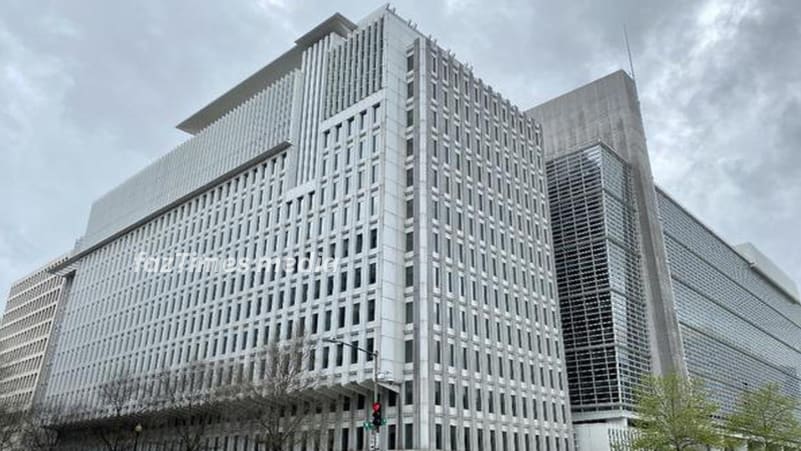
fazTimes media: The Indian towns are growing very quickly. Many people are moving to cities in search of better chances, and their presence is changing the future of the country. India could have big problems with its economy, health, and the environment, says a new study from the World Bank, if towns don't get the right funding to build in a way that is immune to climate change. The data used for the study came from September 2022 to May 2025 and was called "Fostering Resilient and Prosperous Indian Cities."
It shows a scary situation. If we do nothing, heat-related deaths in towns could more than double by 2050. Also, floods could cost up to 5% of India's GDP in damage. Despite this, immediate action can still prevent these tragedies.
This is a fleeting opportunity.
The number of people living in cities in India is expected to almost double, from 480 million in 2020 to 951 million in 2050. That's what the World Bank calls a "critical window of opportunity" to make smart plans. It costs a lot of money and takes a long time to fix up old buildings and systems, but smart towns can still be planned for the future. These towns can stand up to climate change and do green things.
"This isn't just about avoiding bad things," the study says. It's about making places that are safe, fair, and full of business opportunities. Climate threats are growing quickly.
But these problems are getting worse in cities where there are a lot of people, a lot of concrete, and old processes that don't work well. More than 60% of India's GDP comes from cities, making them very important to the country's business. In India, the most important cities for business are Bengaluru, which is known for its tech industry; Mumbai, which is the country's banking center; and Pune, which is a major manufacturing hub. But these places are getting more at risk, which could hurt the economy very badly.
A study says India loses between 0 and 1 billion rupees every year just because of floods from stormwater.
The annual GDP of India ranges from 5% to 2.5%. After some time, this number might almost double if we don't do something faster to stop climate change. Floods impede the movement of cars, damage power lines, and prevent schools and hospitals from operating when the streets overflow with water.
Dr. Aruna Singh, a climate expert and co-author of the study, emphasizes the interconnectedness of city processes. There are a few clear steps the World Bank says Indian places can take to go from being weak to strong in the face of climate change:
First, the city needs better planning.
Third, it's important to make it better for people to live in temporary villages. Al Jazeera says that countries like France and the Netherlands have made progress in keeping towns safe from flooding by building "sponge cities" that let water naturally soak into the ground. Singapore has also taken steps to deal with the heat by making green roofs and tall plants a must.
A city planner from Chennai named Priya Menon says, "India can learn from what works elsewhere, but solutions need to fit the local situation." She also states that factors such as slums, the rainy season, and local customs all influence how towns address climate issues.
A few Indian towns have already done something.
Indore is known for being clean, and to deal with heavy rain, it has built eco-parks and water pathways. Surat frequently experiences flooding, prompting the city to enhance its early warning systems and construct stronger river walls for protection. The policy needs to catch up with the facts.
Despite mounting evidence of the importance of taking action on climate change, India's urban climate policies remain poorly organized. AMRUT and the Smart Cities Mission, according to experts, need to change so that they focus more on making cities more resistant to climate change. The study suggests that we should view every expenditure we make today as an investment in a brighter future.
A wake-up call for all of them
It's not just what the government does that makes cities more resilient. There is also a role for people, groups, and companies. No matter if you gather rainwater at home or get your office or store certified as green, things need to change.
Environmental scientist at Mumbai University, Sanjay Deshmukh said, "If we don't get our cities ready now, we'll have big problems later. This includes not only financial costs but also the loss of lives and missed opportunities.
India is still making its way to cities.
What happens next will determine whether it is a story of success or struggle. That's not all the World Bank's study is: it's also a guide. India can build cities that are ready for the future and help shape it by building towns that are sustainable, resilient, and fair. There are 951 million people who will live in cities tomorrow. Today is the day to move.
At FazTimes, we prioritize accuracy, confidence, and strong journalistic standards. To ensure every news story we share is real, we verify it with multiple trustworthy and independent sources.
We’ve compared this report with coverage from major news outlets around the world, including BBC News, Reuters, Bloomberg, South China Morning Post, Al Jazeera, NDTV, The Economic Times, and The Indian Express.
Our dedication lies in upholding the highest standards in global journalism, ensuring our readers can trust the information they receive.






Discussion0
Join the conversation on this story
Loading comments...